- Out-of-Stock



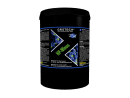
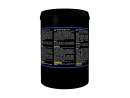
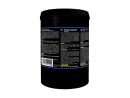
NP-Minus BioPellets 1000ml from Grotech The filtration substrates from Grotech are the most advanced available on the market today. Of high quality, they will allow you




| Date Maximum delivery |
|
|---|---|
| Express | Monday 28 September |
| Pick-up point |
Monday 28 September
Wednesday 30 September |
| Home |
Tuesday 29 September
Wednesday 30 September |
| See all delivery fees | Cart amount | Delivery fees |
|---|---|---|
| Colis sur pré-commande | 0 à 158,98 € | 7,80 € |
| 158,99 à 248,98 € | Free | |
| 248,99 à 10 000 € | Free | |
| DPD Livraison en relais Pickup | 0 à 68,98 € | 6,90 € |
| 68,99 à 10 000 € | Free | |
| DPD Livraison sur lieu de travail | 0 à 10 000 € | 7,80 € |
| DPD Livraison à domicile Predict sur créneau horaire | 0 à 68,98 € | 7,80 € |
| 68,99 à 158,98 € | 7,80 € | |
| 158,99 à 10 000 € | Free | |
| En Relais GLS | 0 à 68,98 € | 6,90 € |
| 68,99 à 10 000 € | Free | |
| EXPRESS 24H Vivant - Live - Lebenden - Vivo - Levend | 0 à 248,99 € | 24,90 € |
| 248,99 à 100 000 € | Free | |
| GLS À domicile | 0 à 68,98 € | 7,80 € |
| 68,99 à 158,98 € | 7,80 € | |
| 158,99 à 10 000 € | Free | |
| Livraison palette – Pallet Delivery | 0 à 50 kg | 50 € |
| UPS Matériel Domicile EXPRESS 24H | 0 à 15 000 € | 19,90 € |
| Country | Carrier | Cart amount | Delivery fees |
|---|---|---|---|
| Europe zone 1 | Colis sur pré-commande | 0 à 158,98 € | 15,90 € |
| 158,99 à 248,98 € | 15,90 € | ||
| 248,99 à 10 000 € | Free | ||
| DPD Livraison en relais Pickup | 0 à 68,98 € | 6,90 € | |
| 68,99 à 10 000 € | Free | ||
| DPD Livraison internationale | 0 à 248,98 € | 15,90 € | |
| 248,99 à 10 000 € | Free | ||
| DPD Livraison sur lieu de travail | 0 à 10 000 € | 7,80 € | |
| EXPRESS 24H Vivant - Live - Lebenden - Vivo - Levend | 0 à 248,99 € | 29,89 € | |
| 248,99 à 100 000 € | Free | ||
| Livraison palette – Pallet Delivery | 0 à 50 kg | 259 € | |
| France | Colis sur pré-commande | 0 à 158,98 € | 7,80 € |
| 158,99 à 248,98 € | Free | ||
| 248,99 à 10 000 € | Free | ||
| DPD Livraison en relais Pickup | 0 à 68,98 € | 6,90 € | |
| 68,99 à 10 000 € | Free | ||
| DPD Livraison sur lieu de travail | 0 à 10 000 € | 7,80 € | |
| DPD Livraison à domicile Predict sur créneau horaire | 0 à 68,98 € | 7,80 € | |
| 68,99 à 158,98 € | 7,80 € | ||
| 158,99 à 10 000 € | Free | ||
| En Relais GLS | 0 à 68,98 € | 6,90 € | |
| 68,99 à 10 000 € | Free | ||
| EXPRESS 24H Vivant - Live - Lebenden - Vivo - Levend | 0 à 248,99 € | 24,90 € | |
| 248,99 à 100 000 € | Free | ||
| GLS À domicile | 0 à 68,98 € | 7,80 € | |
| 68,99 à 158,98 € | 7,80 € | ||
| 158,99 à 10 000 € | Free | ||
| Livraison palette – Pallet Delivery | 0 à 50 kg | 50 € | |
| UPS Matériel Domicile EXPRESS 24H | 0 à 15 000 € | 19,90 € | |
| Europe zone 2 | Colis sur pré-commande | 0 à 158,98 € | 39,90 € |
| 158,99 à 248,98 € | 39,90 € | ||
| 248,99 à 10 000 € | 39,90 € | ||
| DPD Livraison en relais Pickup | 0 à 68,98 € | 12,90 € | |
| 68,99 à 10 000 € | 12,90 € | ||
| DPD Livraison internationale | 0 à 248,98 € | 39,90 € | |
| 248,99 à 10 000 € | 39,90 € | ||
| EXPRESS 24H Vivant - Live - Lebenden - Vivo - Levend | 0 à 248,99 € | 39,90 € | |
| 248,99 à 100 000 € | 39,90 € | ||
| Livraison palette – Pallet Delivery | 0 à 50 kg | 359 € | |
| Suisse | Colis sur pré-commande | 0 à 158,98 € | 39,90 € |
| 158,99 à 248,98 € | 39,90 € | ||
| 248,99 à 10 000 € | 39,90 € | ||
| DPD Livraison en relais Pickup | 0 à 68,98 € | 26,90 € | |
| 68,99 à 10 000 € | 26,90 € | ||
| DPD Livraison internationale | 0 à 248,98 € | 39,90 € | |
| 248,99 à 10 000 € | 39,90 € | ||
| Livraison palette – Pallet Delivery | 0 à 50 kg | 389 € | |
| Suisse - EXPRESS 24H Vivant - Live - Lebenden - Vivo – Levend | 0 à 100 000 € | 44,90 € |
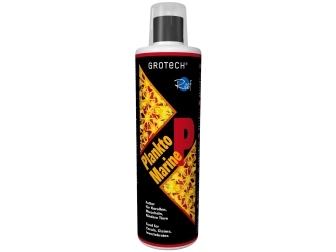

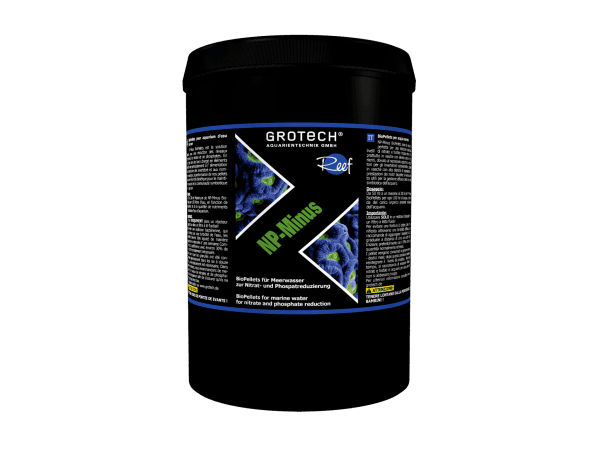
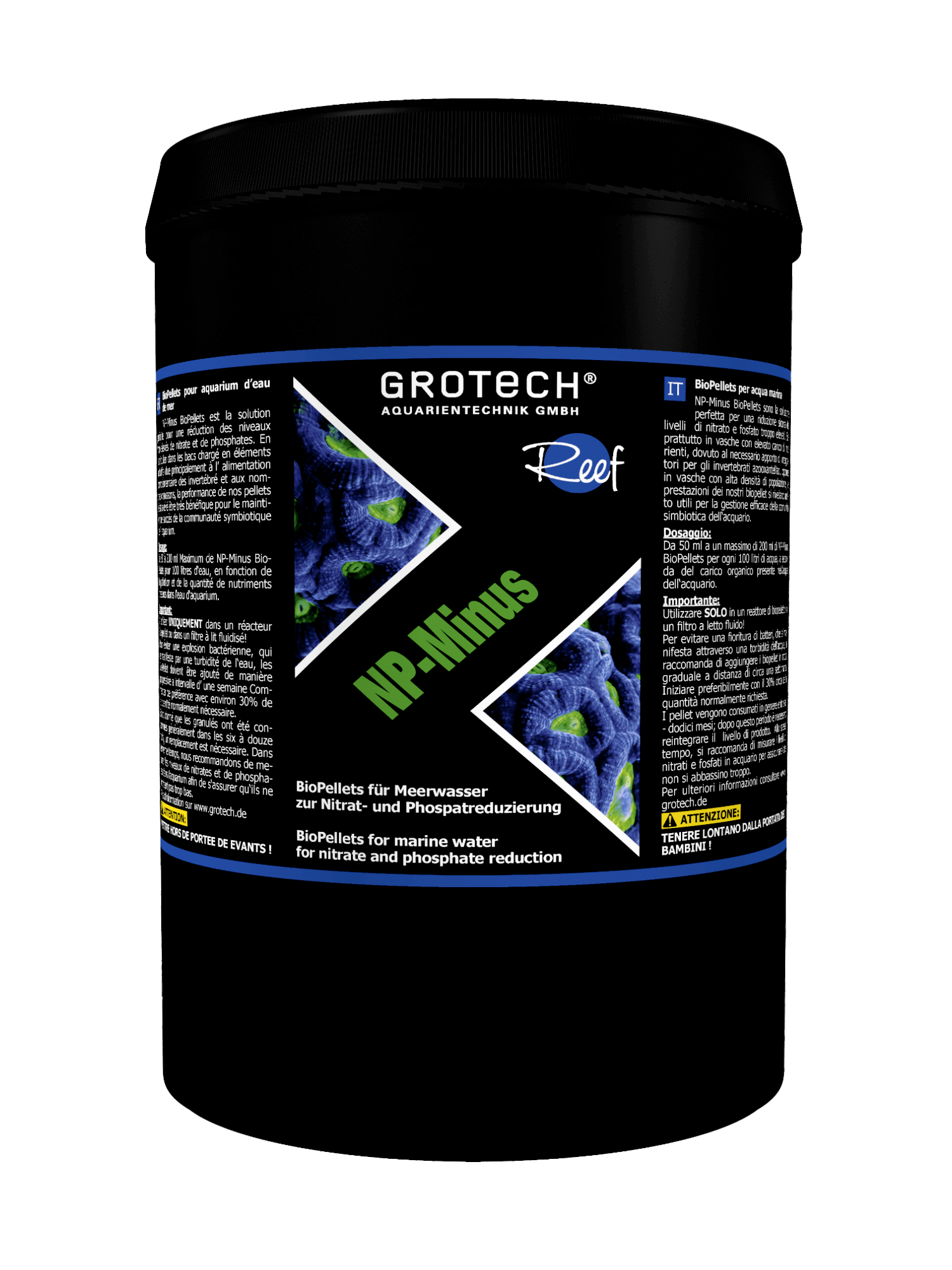
NP-Minus BioPellets Grotech are highly active biological granules, composed exclusively of biodegradable polymers. They gradually dissolve over several months and serve as a carbon source for aerobic bacteria and other microorganisms, thus promoting the natural reduction of nitrates and phosphates in marine aquariums.
100% biodegradable biogranules.
Carbon source for aerobic bacteria.
Reduction of nitrates and phosphates.
Packaging: 1000 ml.
In marine aquariums, metabolic cycles transform organic nitrogen and phosphorus compounds into inorganic nitrates and phosphates. NP-Minus biogranules provide an easily assimilable carbon source for adapted bacterial strains, promoting their development.
These bacteria consume nitrates and phosphates for their metabolism, forming a microbial biomass. This biomass is then mechanically removed, particularly by the protein skimmer, allowing for a sustainable reduction of undesirable nutrients.
NP-Minus BioPellets must be used in a biopellet reactor or a fluidized bed filter. This type of filtration ensures strong oxygenation and constant abrasion of the biofilm, guaranteeing stable and continuous efficiency.
The use helps prevent or reduce the growth of cyanobacteria, as the bacteria colonizing the pellets compete with those responsible for undesirable proliferations.
When the fluidized bed filter is placed before the protein skimmer, the excess bacterial biomass is removed by skimming, taking nitrates and phosphates out of the system. In aquariums without a skimmer or with installation after the skimmer, the organic matter produced can serve as a food source for the aquarium inhabitants and the soft corals.
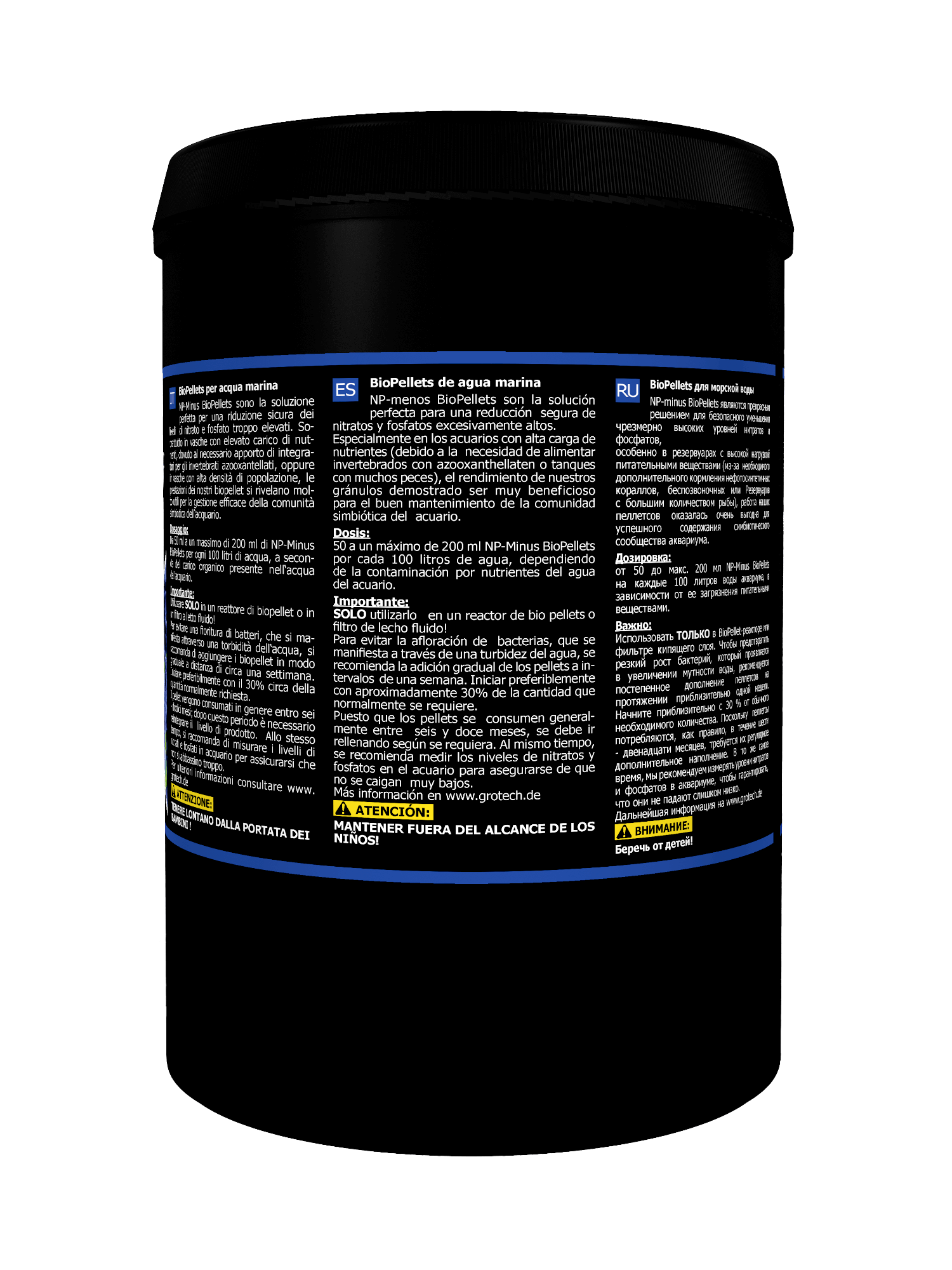
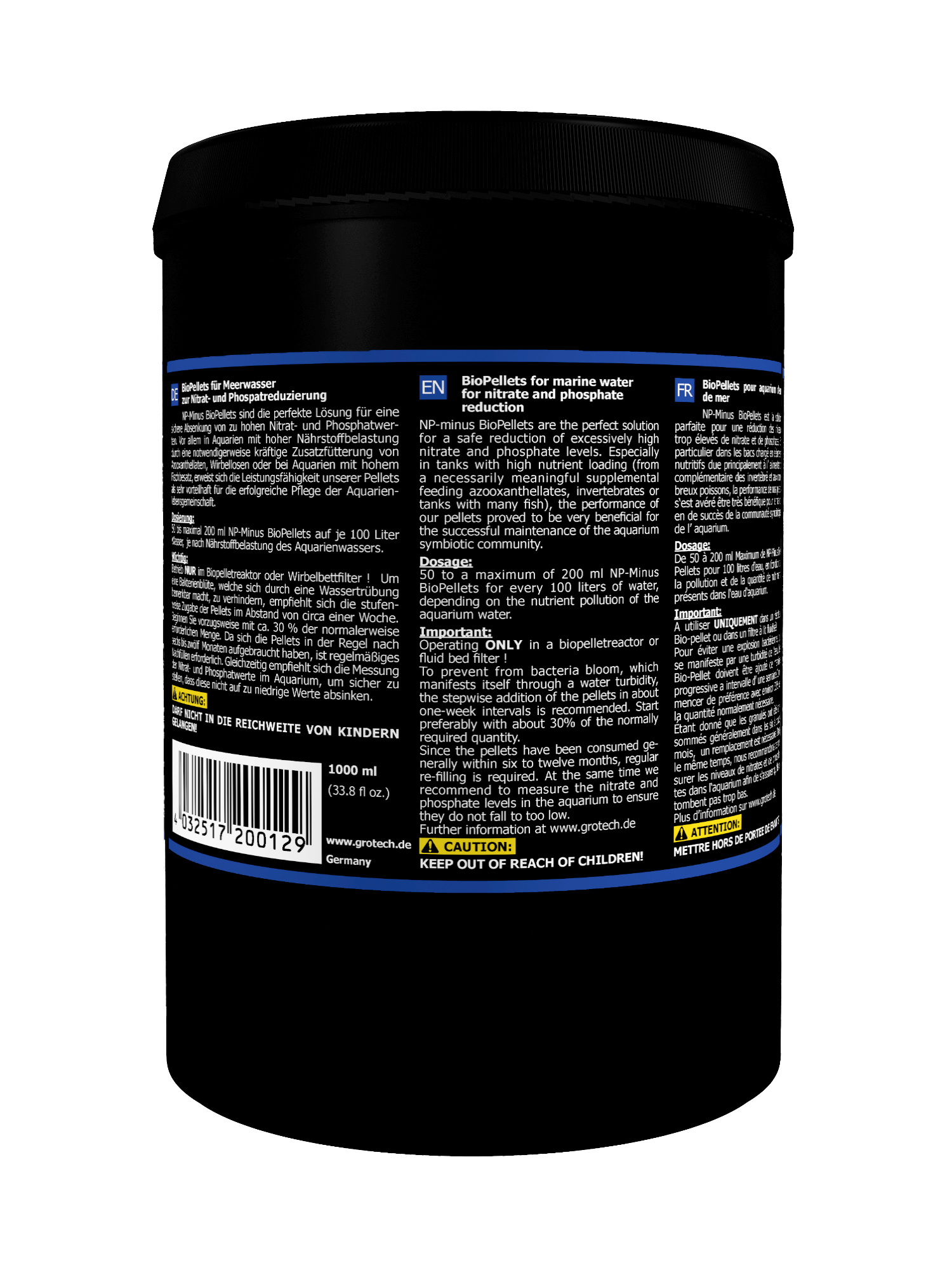
Use between 50 and 200 ml of NP-Minus BioPellets per 100 L of aquarium water, depending on the nutrient load. It is recommended to introduce the pellets gradually, in stages about a week apart, starting with about 30% of the final dose.
This method helps avoid excessive bacterial proliferation that can lead to temporary water turbidity.
The biogranules are generally consumed within 6 to 12 months. Regular recharging is necessary, accompanied by monitoring nitrate and phosphate concentrations to avoid excessively low values. Adjusting the quantity of pellets should always consider the type of aquarium and the population.
In cases of high nutrient load, the complementary use of a phosphate adsorber may be beneficial.
The use of UV lamps, ozone, sponge filters, or media promoting bacterial destruction can reduce the effectiveness of NP-Minus BioPellets. Good water oxygenation and appropriate water circulation are essential to ensure the safety of aquarium inhabitants.
NP-Minus BioPellets 1000ml from Grotech The filtration substrates from Grotech are the most advanced available on the market today. Of high quality, they will allow you