- Out-of-Stock
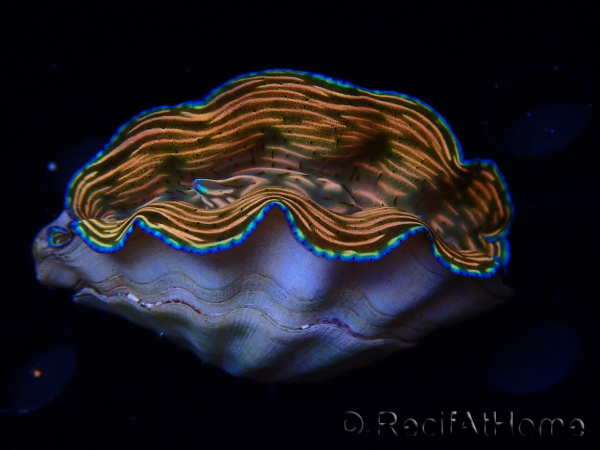
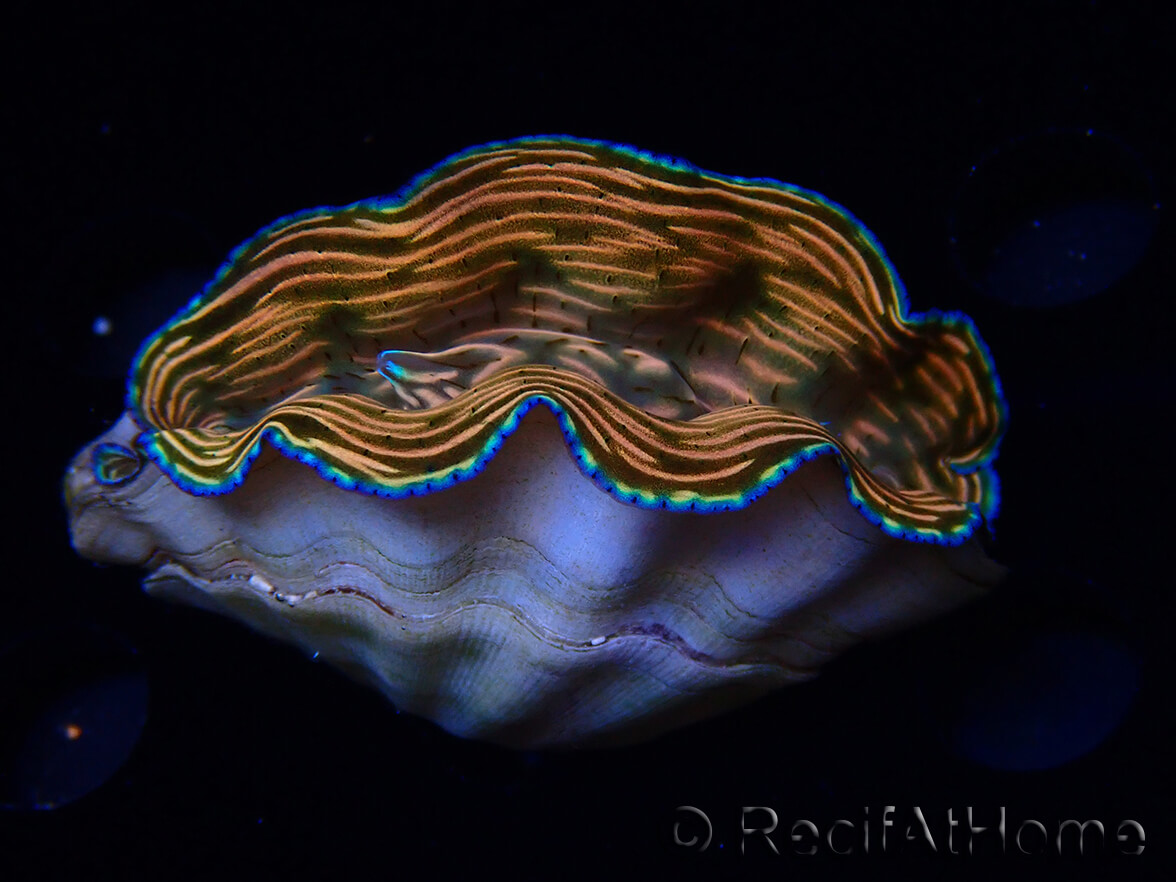
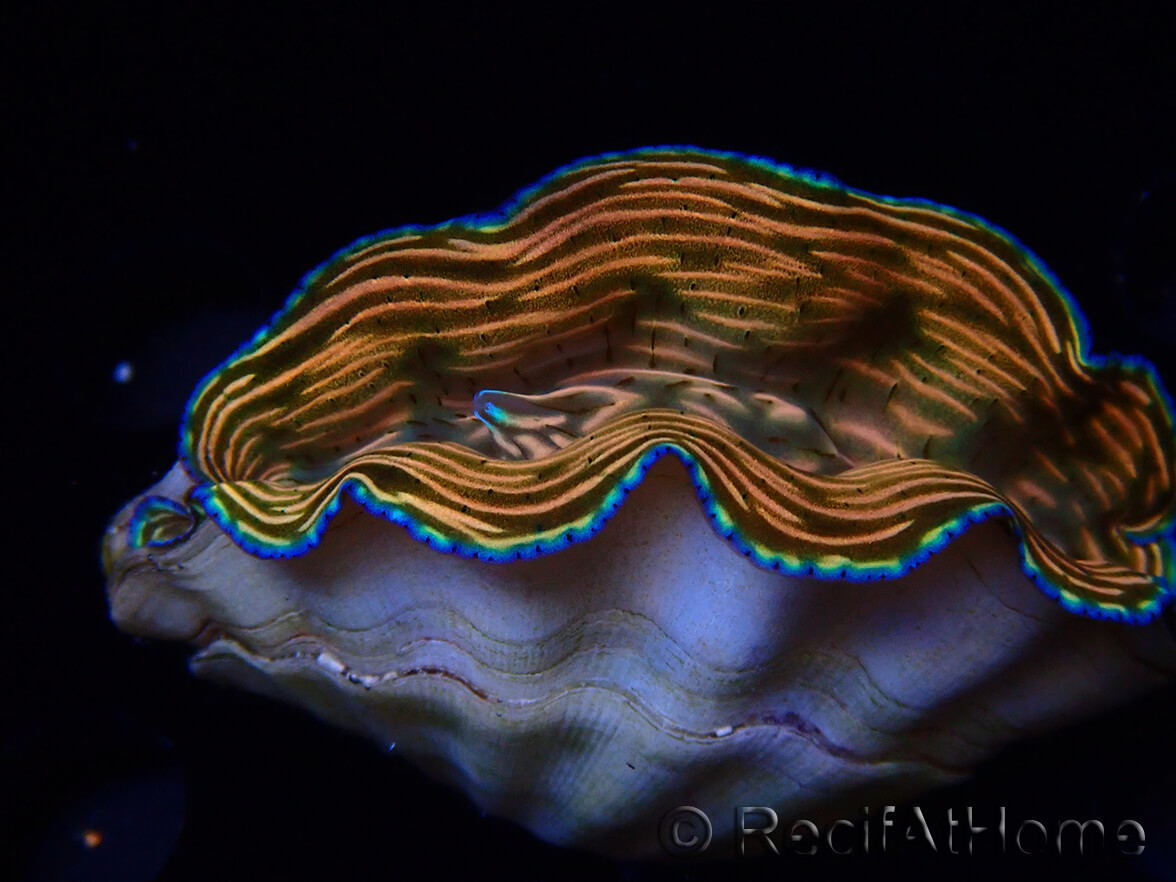



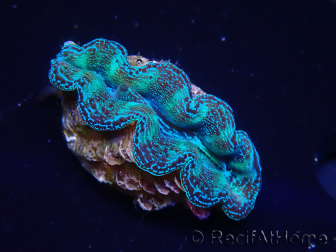
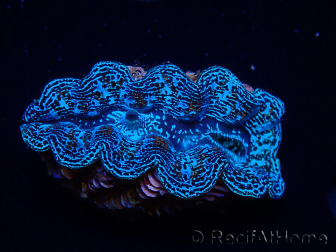
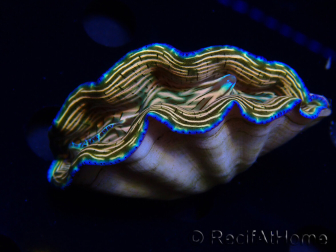
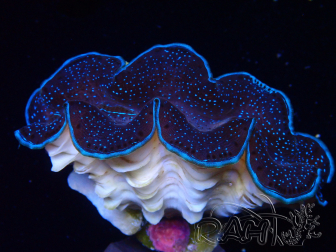
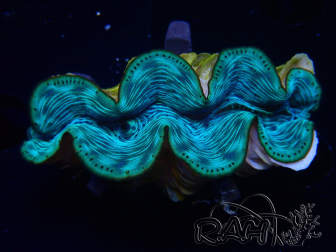
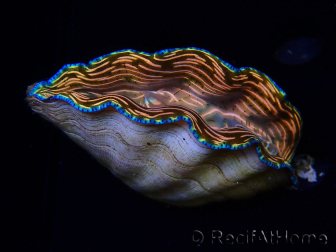
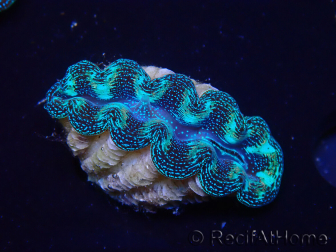
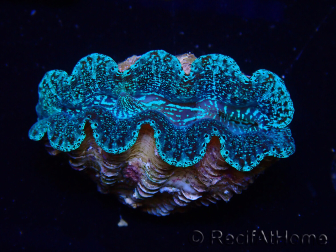
Farm-raised Tridacna derasa from Micronesia, a majestic reef clam prized for its rapid growth, elegant mantle, and easier care in a reef marine aquarium.





| See all delivery fees | Cart amount | Delivery fees |
|---|---|---|
| EXPRESS 24H Vivant - Live - Lebenden - Vivo - Levend | 0 à 248,99 € | 24,90 € |
| 248,99 à 100 000 € | Free |
| Country | Carrier | Cart amount | Delivery fees |
|---|---|---|---|
| Europe zone 1 | EXPRESS 24H Vivant - Live - Lebenden - Vivo - Levend | 0 à 248,99 € | 29,89 € |
| 248,99 à 100 000 € | Free | ||
| Europe zone 2 | EXPRESS 24H Vivant - Live - Lebenden - Vivo - Levend | 0 à 248,99 € | 39,90 € |
| 248,99 à 100 000 € | 39,90 € | ||
| France | EXPRESS 24H Vivant - Live - Lebenden - Vivo - Levend | 0 à 248,99 € | 24,90 € |
| 248,99 à 100 000 € | Free |
You might also like

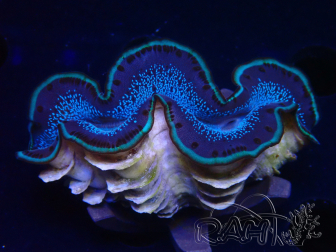
The Tridacna derasa is a reef clam especially appreciated for its elegant mantle, rapid growth, and maintenance that is generally more accessible than that of Tridacna crocea or maxima. This farm-raised specimen from Micronesia is an excellent choice for aquarists looking to keep a large, spectacular clam in a marine aquarium.
Origin: farm-raised in Micronesia.
Type: photosynthetic reef clam.
Average size in aquarium: 30 to 40 cm.
Maximum size: up to 50 to 60 cm in very good conditions.
Recommended lighting: PAR between 150 and 300.
Recommended flow: moderate and indirect.
The Tridacna derasa requires a stable, mature, and well-lit reef aquarium. However, this species is more tolerant than many other large clams.
| Parameter | Recommended value |
|---|---|
| Temperature | 24 to 26 °C |
| Salinity | 1.024 to 1.026 |
| KH | 7 to 8.5 |
| Calcium | 420 to 460 mg/L |
| Magnesium | 1250 to 1400 mg/L |
| Nitrates | 2 to 10 mg/L |
| Phosphates | 0.02 to 0.1 mg/L |
The Tridacna derasa prefers to be placed directly on the aquascape or on a flat, stable surface. Unlike Tridacna crocea, it does not usually seek to anchor deeply into the rock.
Water flow should remain moderate so the mantle can fully open without being exposed to overly strong current.
The Tridacna derasa gets most of its energy from light thanks to its symbiotic zooxanthellae. Young specimens can nevertheless benefit from a small amount of phytoplankton.
This species grows relatively quickly and can reach a significant size in a reef aquarium. It is advisable to plan for enough space in the long term.
Particular attention should be paid to Pyramidellidae-type parasites as well as fish that may nip the mantle, especially certain angelfish, butterflyfish, or wrasses.
For optimal care, it is recommended to keep parameters very stable and to perform regular ICP analysis to monitor essential trace elements such as iodine, strontium, and potassium.
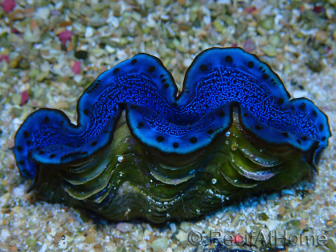
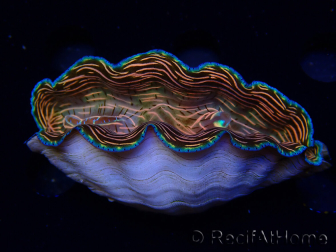
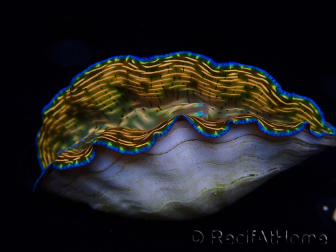
The Tridacna derasa generally displays an elegant mantle with shades of brown, gold, cream, or slightly blue depending on the specimen and the lighting used in the aquarium.
Scientific name: Tridacna derasa. The genus Tridacna includes the large photosynthetic reef clams kept in marine aquariums.
Farm-raised Tridacna derasa from Micronesia, a majestic reef clam prized for its rapid growth, elegant mantle, and easier care in a reef marine aquarium.