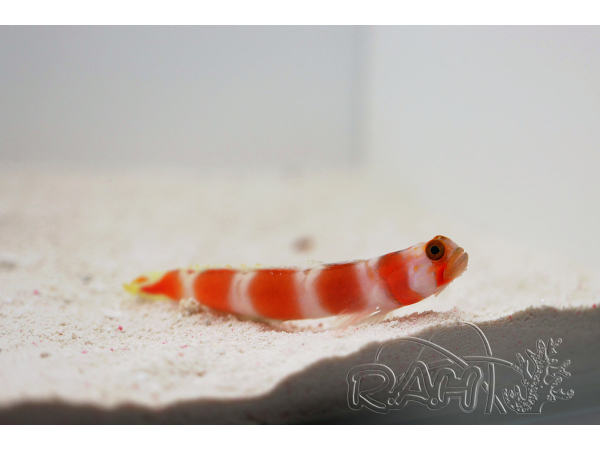
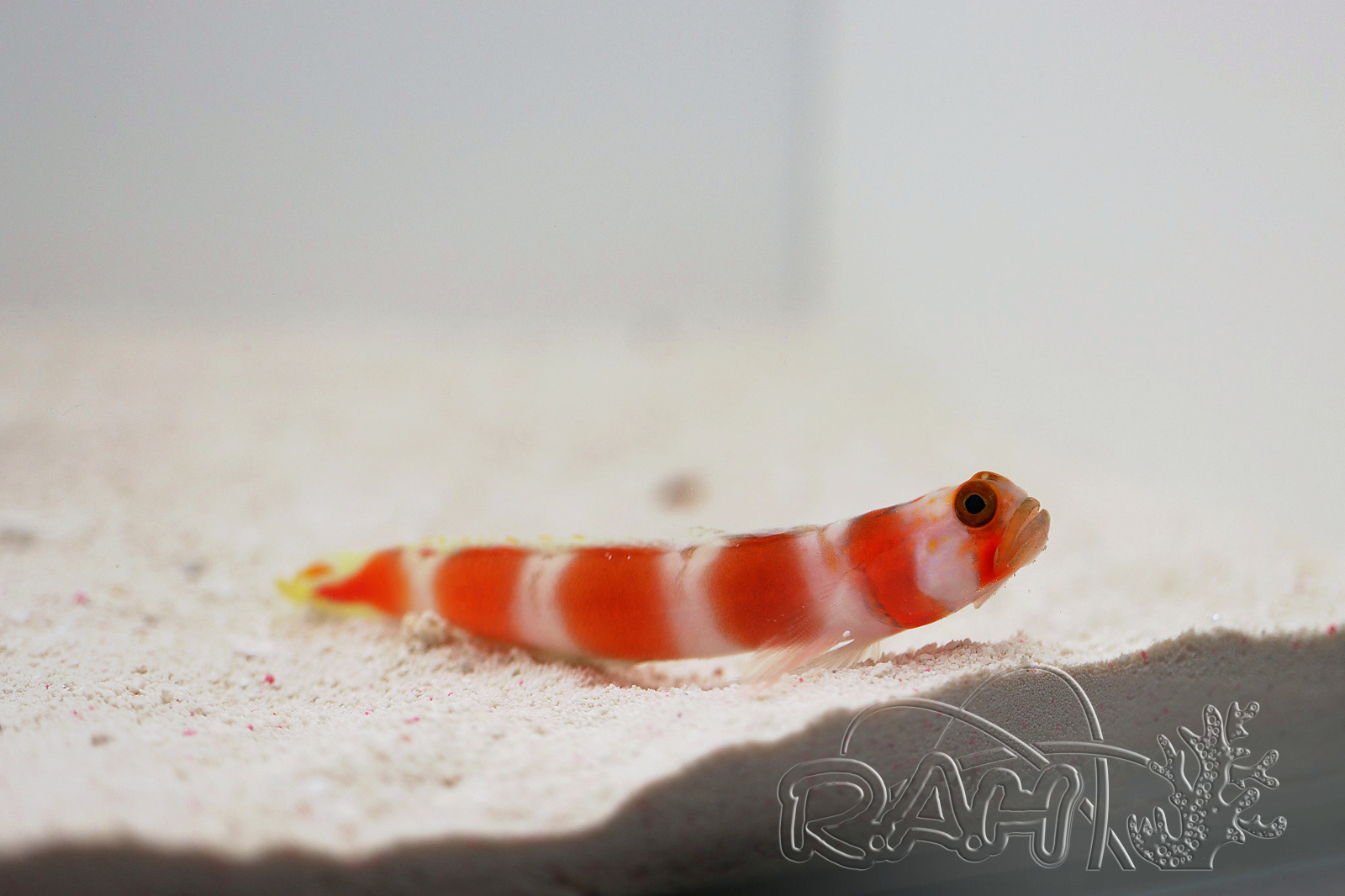
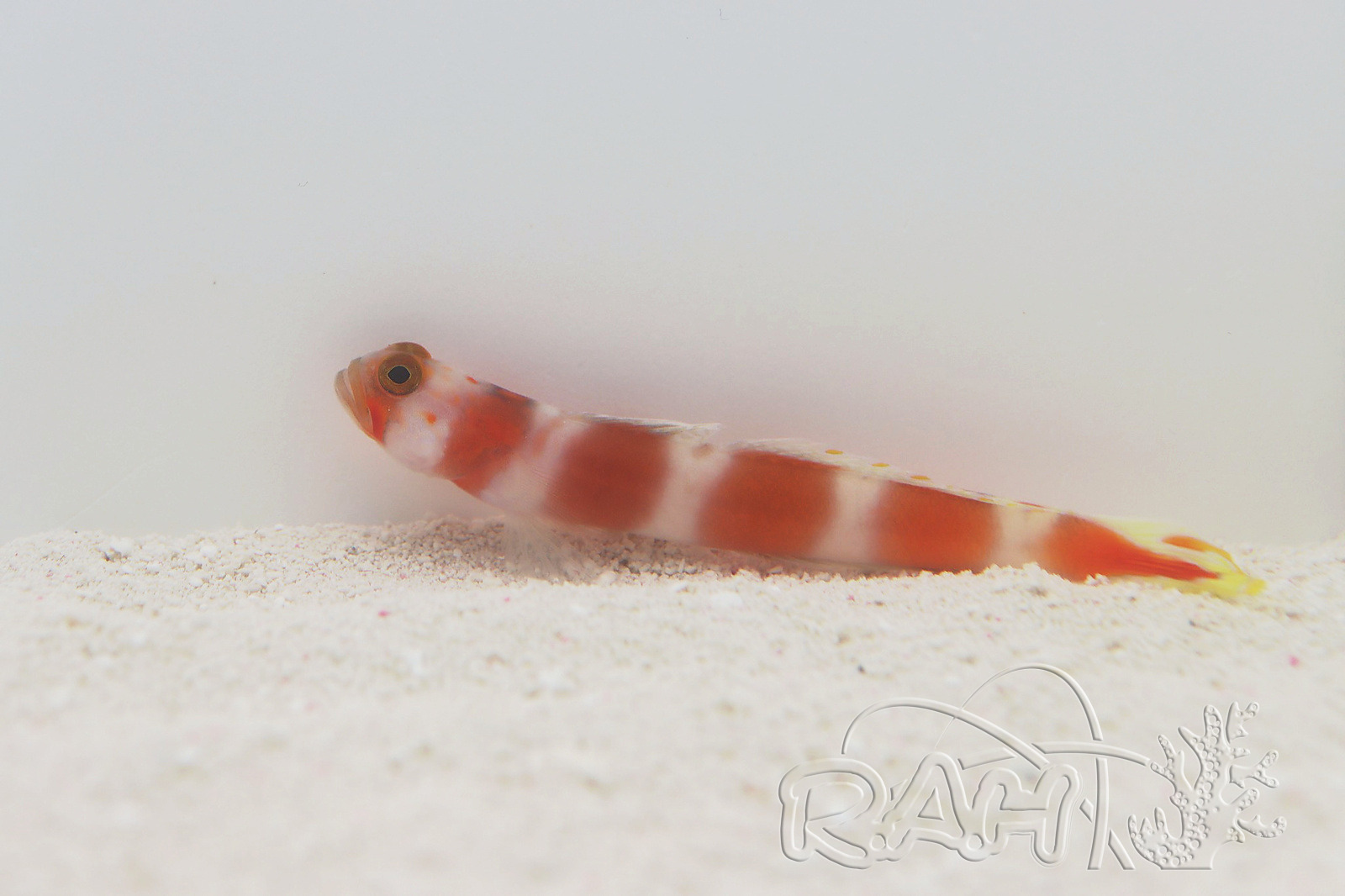



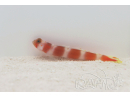
The Amblyeleotris aurora is a peaceful marine goby with beautiful orange and pink bands. Ideal for reef aquariums with a sandy bottom, it can live in symbiosis with the pistol shrimp Alpheus randalli. A fascinating fish to observe, recommended for aquariums of at least 120 liters.


| See all delivery fees | Cart amount | Delivery fees |
|---|---|---|
| EXPRESS 24H Vivant - Live - Lebenden - Vivo - Levend | 0 à 248,99 € | 24,90 € |
| 248,99 à 298,99 € | 24,90 € | |
| 298,99 à 100 000 € | Free |
| Country | Carrier | Cart amount | Delivery fees |
|---|---|---|---|
| Suisse | Suisse - EXPRESS 24H Vivant - Live - Lebenden - Vivo – Levend | 0 à 100 000 € | 44,90 € |
| Europe zone 1 | EXPRESS 24H Vivant - Live - Lebenden - Vivo - Levend | 0 à 248,99 € | 42 € |
| 248,99 à 298,99 € | 30 € | ||
| 298,99 à 100 000 € | 30 € | ||
| Europe zone 2 | EXPRESS 24H Vivant - Live - Lebenden - Vivo - Levend | 0 à 248,99 € | 39,90 € |
| 248,99 à 298,99 € | 39,90 € | ||
| 298,99 à 100 000 € | 39,90 € | ||
| France | EXPRESS 24H Vivant - Live - Lebenden - Vivo - Levend | 0 à 248,99 € | 24,90 € |
| 248,99 à 298,99 € | 24,90 € | ||
| 298,99 à 100 000 € | Free |
You might also like


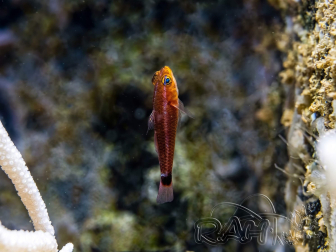
Amblyeleotris aurora is a marine fish from the Gobiidae family, particularly appreciated for its delicate colors and fascinating behavior. Also known as the Aurora goby or pink-banded goby, it has a cream-white body crossed by broad orange to pinkish bands, as well as a yellow caudal fin decorated with red patterns.
Native to the Indian Ocean, this peaceful goby lives mainly near the bottom, in sandy areas of coral reefs. It is especially interesting to observe when it shares its burrow with a symbiotic shrimp.
| Characteristic | Information |
|---|---|
| Scientific name | Amblyeleotris aurora |
| Common name | Aurora goby, pink-banded goby |
| Family | Gobiidae |
| Origin | Western Indian Ocean, Maldives, East Africa |
| Adult size | Up to 11 cm |
| Recommended tank volume | Minimum 120 liters |
| Temperature | 24 to 27 °C |
| pH | 8.1 to 8.4 |
| Salinity | 35 g/L |
| Diet | Carnivore, micro-predator |
| Behavior | Peaceful, territorial around its burrow |
| Reef compatibility | Compatible with corals |
| Maintenance difficulty | Easy to moderate |
Amblyeleotris aurora is especially known for its symbiotic relationship with certain pistol shrimp, particularly Alpheus randalli. This association is one of the most captivating behaviors to observe in a marine aquarium.
The shrimp digs and maintains a burrow in the sand, while the goby stays near the entrance to watch for any danger. When the fish detects a threat, it warns its partner through body movements and tactile contact. The two animals can then quickly retreat to their shelter.
This association is strongly recommended to encourage the expression of its natural behavior, even though the goby can also be kept without a symbiotic shrimp.
This goby spends much of its time near the substrate. It may be shy during the first few days after introduction, then gradually becomes more visible once it feels safe.
It generally coexists well with peaceful reef fish. However, aggressive, predatory, or overly territorial species should be avoided. Several symbiotic gobies may also compete for burrows in a confined space.
A mature marine aquarium of at least 120 liters is recommended for keeping Amblyeleotris aurora. The setup should include a sufficiently deep sand area, ideally about 5 cm or more in the burrow zone, along with small rock fragments to help stabilize the tunnels dug by the shrimp.
The main rocks should rest on a stable structure to prevent collapse when the substrate is moved. Moderate water flow and sheltered areas are also recommended.
This fish does not require particularly strong lighting. It appreciates hiding places and quiet spaces. A lid or protective net is recommended to reduce the risk of jumping out of the aquarium.
In its natural environment, Amblyeleotris aurora feeds on small benthic invertebrates and zooplankton. In the aquarium, it generally accepts a varied meaty diet made up of mysis, brine shrimp, copepods, and small frozen foods suitable for its mouth.
High-quality marine fish pellets can also be offered after acclimation. One to two feedings per day, in appropriate amounts, help maintain a regular diet. Newly introduced individuals may require targeted feeding near their burrow.
Amblyeleotris aurora is perfectly suited to a reef aquarium containing soft corals, LPS, or SPS corals. It does not consume coral tissue and normally poses no danger to suitable reef invertebrates.
However, the digging activity of its shrimp partner may move sand around. It is therefore best to avoid placing sensitive corals directly near the burrow entrance.
Thanks to its original coloration, peaceful temperament, and remarkable association with pistol shrimp, Amblyeleotris aurora is an excellent choice for bringing life to the bottom of a reef aquarium. In a stable environment, with suitable feeding and an appropriate substrate, this goby offers a natural display that is as discreet as it is fascinating.
The Amblyeleotris aurora is a peaceful marine goby with beautiful orange and pink bands. Ideal for reef aquariums with a sandy bottom, it can live in symbiosis with the pistol shrimp Alpheus randalli. A fascinating fish to observe, recommended for aquariums of at least 120 liters.
