- New
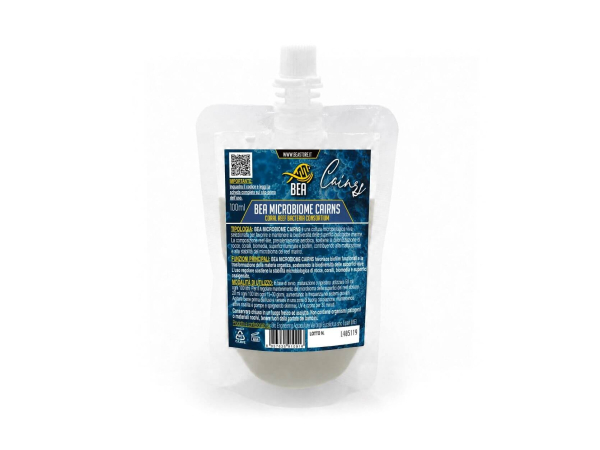
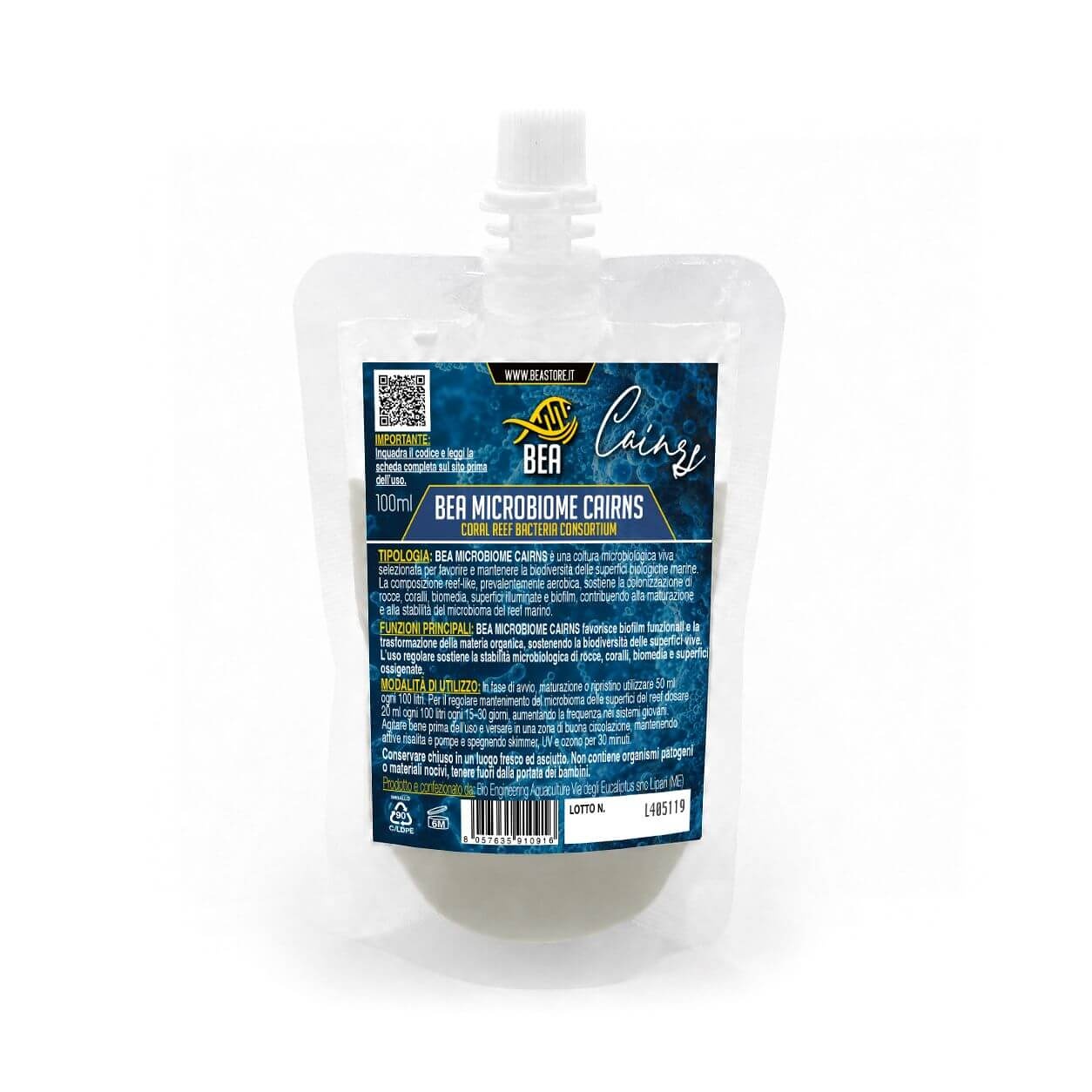



BEA Microbiome Cairns 100 ml is a live aerobic microbiological culture designed to enrich the microbiome of rocks, corals, biofilms, and oxygenated surfaces in the reef aquarium. It promotes bacterial colonization, biological maturation, and the maintenance of active microbial biodiversity.





| Date Maximum delivery |
|
|---|---|
| Express | Monday 21 September |
| Pick-up point |
Monday 21 September
Wednesday 23 September |
| Home |
Tuesday 22 September
Wednesday 23 September |
| See all delivery fees | Cart amount | Delivery fees |
|---|---|---|
| Colis sur pré-commande | 0 à 158,98 € | 7,80 € |
| 158,99 à 248,98 € | Free | |
| 248,99 à 10 000 € | Free | |
| DPD Livraison en relais Pickup | 0 à 68,98 € | 6,90 € |
| 68,99 à 10 000 € | Free | |
| DPD Livraison sur lieu de travail | 0 à 10 000 € | 7,80 € |
| DPD Livraison à domicile Predict sur créneau horaire | 0 à 68,98 € | 7,80 € |
| 68,99 à 158,98 € | 7,80 € | |
| 158,99 à 10 000 € | Free | |
| En Relais GLS | 0 à 68,98 € | 6,90 € |
| 68,99 à 10 000 € | Free | |
| EXPRESS 24H Vivant - Live - Lebenden - Vivo - Levend | 0 à 248,99 € | 24,90 € |
| 248,99 à 100 000 € | Free | |
| GLS À domicile | 0 à 68,98 € | 7,80 € |
| 68,99 à 158,98 € | 7,80 € | |
| 158,99 à 10 000 € | Free | |
| Livraison palette – Pallet Delivery | 0 à 50 kg | 50 € |
| UPS Matériel Domicile EXPRESS 24H | 0 à 15 000 € | 19,90 € |
| Country | Carrier | Cart amount | Delivery fees |
|---|---|---|---|
| Europe zone 1 | Colis sur pré-commande | 0 à 158,98 € | 15,90 € |
| 158,99 à 248,98 € | 15,90 € | ||
| 248,99 à 10 000 € | Free | ||
| DPD Livraison en relais Pickup | 0 à 68,98 € | 6,90 € | |
| 68,99 à 10 000 € | Free | ||
| DPD Livraison internationale | 0 à 248,98 € | 15,90 € | |
| 248,99 à 10 000 € | Free | ||
| DPD Livraison sur lieu de travail | 0 à 10 000 € | 7,80 € | |
| EXPRESS 24H Vivant - Live - Lebenden - Vivo - Levend | 0 à 248,99 € | 29,89 € | |
| 248,99 à 100 000 € | Free | ||
| Livraison palette – Pallet Delivery | 0 à 50 kg | 259 € | |
| France | Colis sur pré-commande | 0 à 158,98 € | 7,80 € |
| 158,99 à 248,98 € | Free | ||
| 248,99 à 10 000 € | Free | ||
| DPD Livraison en relais Pickup | 0 à 68,98 € | 6,90 € | |
| 68,99 à 10 000 € | Free | ||
| DPD Livraison sur lieu de travail | 0 à 10 000 € | 7,80 € | |
| DPD Livraison à domicile Predict sur créneau horaire | 0 à 68,98 € | 7,80 € | |
| 68,99 à 158,98 € | 7,80 € | ||
| 158,99 à 10 000 € | Free | ||
| En Relais GLS | 0 à 68,98 € | 6,90 € | |
| 68,99 à 10 000 € | Free | ||
| EXPRESS 24H Vivant - Live - Lebenden - Vivo - Levend | 0 à 248,99 € | 24,90 € | |
| 248,99 à 100 000 € | Free | ||
| GLS À domicile | 0 à 68,98 € | 7,80 € | |
| 68,99 à 158,98 € | 7,80 € | ||
| 158,99 à 10 000 € | Free | ||
| Livraison palette – Pallet Delivery | 0 à 50 kg | 50 € | |
| UPS Matériel Domicile EXPRESS 24H | 0 à 15 000 € | 19,90 € | |
| Europe zone 2 | Colis sur pré-commande | 0 à 158,98 € | 39,90 € |
| 158,99 à 248,98 € | 39,90 € | ||
| 248,99 à 10 000 € | 39,90 € | ||
| DPD Livraison en relais Pickup | 0 à 68,98 € | 12,90 € | |
| 68,99 à 10 000 € | 12,90 € | ||
| DPD Livraison internationale | 0 à 248,98 € | 39,90 € | |
| 248,99 à 10 000 € | 39,90 € | ||
| EXPRESS 24H Vivant - Live - Lebenden - Vivo - Levend | 0 à 248,99 € | 39,90 € | |
| 248,99 à 100 000 € | 39,90 € | ||
| Livraison palette – Pallet Delivery | 0 à 50 kg | 359 € | |
| Suisse | Colis sur pré-commande | 0 à 158,98 € | 39,90 € |
| 158,99 à 248,98 € | 39,90 € | ||
| 248,99 à 10 000 € | 39,90 € | ||
| DPD Livraison en relais Pickup | 0 à 68,98 € | 26,90 € | |
| 68,99 à 10 000 € | 26,90 € | ||
| DPD Livraison internationale | 0 à 248,98 € | 39,90 € | |
| 248,99 à 10 000 € | 39,90 € | ||
| Livraison palette – Pallet Delivery | 0 à 50 kg | 389 € | |
| Suisse - EXPRESS 24H Vivant - Live - Lebenden - Vivo – Levend | 0 à 100 000 € | 44,90 € |

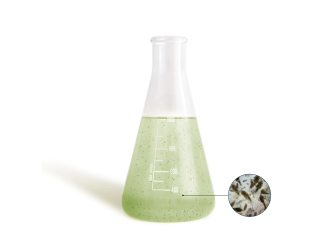

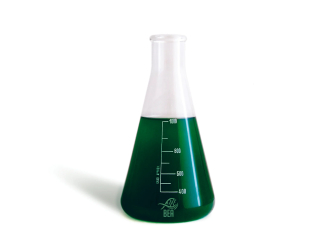


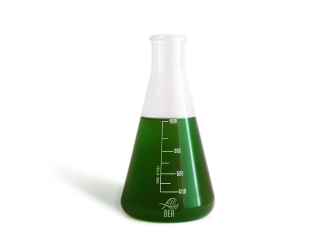
BEA Microbiome Cairns 100 ml is a mainly aerobic live microbiological culture, specially selected to promote the colonization and maintenance of the microbiome on the biological surfaces of a reef marine aquarium.
Unlike bacterial products mainly aimed at starting the nitrogen cycle, BEA Microbiome Cairns is designed to develop a more complex microbiological biodiversity on oxygenated surfaces in the aquarium: rocks, corals, carbonate surfaces, biological media, biofilms, illuminated areas, and various elements exposed to regular water circulation.
This live culture therefore helps support the biological maturation of reef surfaces and encourages the formation of functional, diverse biofilms. It can be used both during the advanced maturation of a new aquarium and for the regular maintenance of microbiological diversity in an already established reef aquarium.
The name Cairns refers to the Australian region near the Great Barrier Reef. The product was developed around a microbiological approach focused on the communities present on living, highly oxygenated surfaces in reef environments.
BEA Microbiome Cairns features a diversity of marine bacterial groups associated with biofilms, carbonate surfaces, organic carbon, and the biological cycles of carbon and sulfur. This diversity makes it possible to occupy different microbiological niches available on the rocks and surfaces of the aquarium.
The culture also contributes to the transformation of various biological matrices and complex organic matter, including certain polysaccharides, algal residues, and compounds associated with biofilms.
BEA Microbiome Cairns is mainly intended for exposed, properly oxygenated surfaces. After being introduced into an area with good water movement, the microorganisms can be distributed to the various colonizable surfaces of the aquarium.
| Aquarium area | Desired effect |
|---|---|
| Rocks | Promotes microbiological colonization and surface maturation. |
| Corals and coral skeletons | Supports the diversity of biofilms associated with reef surfaces. |
| Biological media | Enriches available surfaces with diverse microbiological communities. |
| Illuminated areas | Encourages the establishment of communities adapted to exposed reef surfaces. |
| Biofilms | Contributes to the development and renewal of functional biofilms. |
| Sump and refugium | Can colonize biological surfaces benefiting from water circulation and good oxygenation. |
Modern reef aquariums are often started with dead rock, artificial biological media, and prepared seawater. These techniques offer excellent control over setup, but the available surfaces are initially much less biologically rich than mature live rock.
BEA Microbiome Cairns makes it possible to add a live microbiological culture to gradually support the diversification of these surfaces. This approach is particularly interesting for newer aquariums, systems using mostly dead rock, or systems that have undergone a major reduction in their microbial population.
The product may also be useful after intensive UV or ozone use, or after a major intervention likely to have reduced the aquarium’s microbiological biodiversity.
BEA Microbiome Cairns is not intended for deep sand layers. Its action is mainly focused on exposed, circulated, and oxygenated reef surfaces.
| Use | Recommended dose |
|---|---|
| Advanced start-up and maturation | 50 ml per 100 L |
| Dead rock inoculation | 50 ml per 100 L |
| Microbiological restoration | 50 ml per 100 L |
| Regular maintenance | 20 ml per 100 L every 15 to 30 days |
| Skimmerless aquarium | Start with about half the recommended dose. |
In a new aquarium, BEA recommends adding Microbiome Cairns after the first phase of biological stabilization, generally 1 to 2 weeks after start-up or when the main nitrification processes have begun to establish.
For maintaining a mature aquarium, small regular additions are preferable to large, infrequent doses.
Shake the sachet vigorously before each use to resuspend the bacterial biomass and fine particles that make up the culture medium.
Then pour the required dose directly into the aquarium, preferably in an area with good water circulation. The water movement will help distribute the culture to the rocks, corals, biological media, sump, refugium, and the various biofilms present.
Circulation pumps and the return pump can remain running during treatment.
It is advisable to turn off the skimmer, UV sterilization, and ozone for about 30 minutes after adding the product to promote the dispersion and establishment of the microbiological culture.
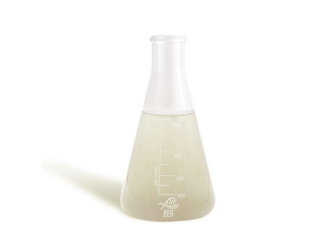
BEA Microbiome Cairns comes as a live culture with a white to light gray, milky appearance. The presence of fine particles is normal: these come in particular from the bacterial biomass and the mineral support used in the culture.
A slight earthy or sulfurous odor may also be noticed without necessarily meaning that the product has deteriorated.
After dosing, a slight temporary cloudiness of the water may appear. When restarted, the skimmer may also temporarily produce more foam. These reactions are generally temporary.
The products BEA Microbiome Cairns and Microbiome Lagoon are complementary. Cairns is mainly oriented toward the aerobic microbiome of rocks, corals, biofilms, and exposed reef surfaces, while Lagoon targets substrates, bottoms, and areas with slower circulation.
Using both together therefore makes it possible to work on different microbiological niches within the same marine aquarium and support a more diverse biological biodiversity.
| Brand | BEA Bio Engineering Aquaculture |
| Product | Microbiome Cairns |
| Type | Mainly aerobic live marine microbiological culture |
| Use | Marine and reef aquarium |
| Volume | 100 ml |
| Appearance | White to light gray, milky culture with fine particles |
| Preferred areas | Rocks, corals, biofilms, biological media, and oxygenated surfaces |
Keep the product closed in a cool, stable place, away from heat and direct light.
Shake vigorously before each use to homogenize the culture. The product is not intended for human consumption and should be kept out of reach of children.
BEA Microbiome Cairns 100 ml is a live aerobic microbiological culture designed to enrich the microbiome of rocks, corals, biofilms, and oxygenated surfaces in the reef aquarium. It promotes bacterial colonization, biological maturation, and the maintenance of active microbial biodiversity.