- Out-of-Stock
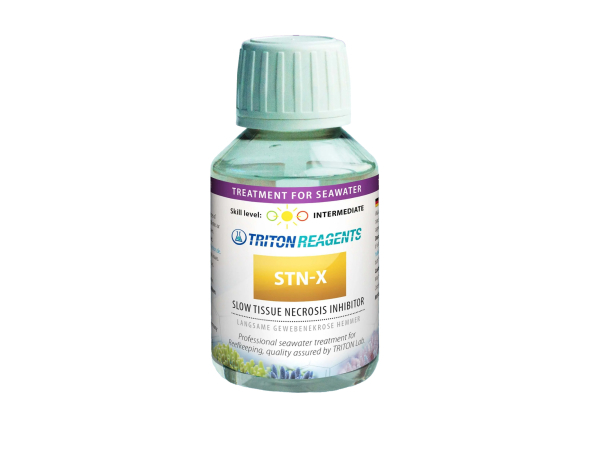



STN-X TRITON is a slow tissue necrosis inhibitor designed to stabilize coral tissues and support the biological recovery of the reef aquarium.





| Date Maximum delivery |
|
|---|---|
| Express | Tuesday 06 October |
| Pick-up point |
Tuesday 06 October
Thursday 08 October |
| Home |
Wednesday 07 October
Thursday 08 October |
| See all delivery fees | Cart amount | Delivery fees |
|---|---|---|
| Colis sur pré-commande | 0 à 158,98 € | 7,80 € |
| 158,99 à 248,98 € | Free | |
| 248,99 à 10 000 € | Free | |
| DPD Livraison en relais Pickup | 0 à 68,98 € | 6,90 € |
| 68,99 à 10 000 € | Free | |
| DPD Livraison sur lieu de travail | 0 à 10 000 € | 7,80 € |
| DPD Livraison à domicile Predict sur créneau horaire | 0 à 68,98 € | 7,80 € |
| 68,99 à 158,98 € | 7,80 € | |
| 158,99 à 10 000 € | Free | |
| En Relais GLS | 0 à 68,98 € | 6,90 € |
| 68,99 à 10 000 € | Free | |
| EXPRESS 24H Vivant - Live - Lebenden - Vivo - Levend | 0 à 248,99 € | 24,90 € |
| 248,99 à 100 000 € | Free | |
| GLS À domicile | 0 à 68,98 € | 7,80 € |
| 68,99 à 158,98 € | 7,80 € | |
| 158,99 à 10 000 € | Free | |
| Livraison palette – Pallet Delivery | 0 à 50 kg | 50 € |
| UPS Matériel Domicile EXPRESS 24H | 0 à 15 000 € | 19,90 € |
| Country | Carrier | Cart amount | Delivery fees |
|---|---|---|---|
| Europe zone 1 | Colis sur pré-commande | 0 à 158,98 € | 15,90 € |
| 158,99 à 248,98 € | 15,90 € | ||
| 248,99 à 10 000 € | Free | ||
| DPD Livraison en relais Pickup | 0 à 68,98 € | 6,90 € | |
| 68,99 à 10 000 € | Free | ||
| DPD Livraison internationale | 0 à 248,98 € | 15,90 € | |
| 248,99 à 10 000 € | Free | ||
| DPD Livraison sur lieu de travail | 0 à 10 000 € | 7,80 € | |
| EXPRESS 24H Vivant - Live - Lebenden - Vivo - Levend | 0 à 248,99 € | 29,89 € | |
| 248,99 à 100 000 € | Free | ||
| Livraison palette – Pallet Delivery | 0 à 50 kg | 259 € | |
| France | Colis sur pré-commande | 0 à 158,98 € | 7,80 € |
| 158,99 à 248,98 € | Free | ||
| 248,99 à 10 000 € | Free | ||
| DPD Livraison en relais Pickup | 0 à 68,98 € | 6,90 € | |
| 68,99 à 10 000 € | Free | ||
| DPD Livraison sur lieu de travail | 0 à 10 000 € | 7,80 € | |
| DPD Livraison à domicile Predict sur créneau horaire | 0 à 68,98 € | 7,80 € | |
| 68,99 à 158,98 € | 7,80 € | ||
| 158,99 à 10 000 € | Free | ||
| En Relais GLS | 0 à 68,98 € | 6,90 € | |
| 68,99 à 10 000 € | Free | ||
| EXPRESS 24H Vivant - Live - Lebenden - Vivo - Levend | 0 à 248,99 € | 24,90 € | |
| 248,99 à 100 000 € | Free | ||
| GLS À domicile | 0 à 68,98 € | 7,80 € | |
| 68,99 à 158,98 € | 7,80 € | ||
| 158,99 à 10 000 € | Free | ||
| Livraison palette – Pallet Delivery | 0 à 50 kg | 50 € | |
| UPS Matériel Domicile EXPRESS 24H | 0 à 15 000 € | 19,90 € | |
| Europe zone 2 | Colis sur pré-commande | 0 à 158,98 € | 39,90 € |
| 158,99 à 248,98 € | 39,90 € | ||
| 248,99 à 10 000 € | 39,90 € | ||
| DPD Livraison en relais Pickup | 0 à 68,98 € | 12,90 € | |
| 68,99 à 10 000 € | 12,90 € | ||
| DPD Livraison internationale | 0 à 248,98 € | 39,90 € | |
| 248,99 à 10 000 € | 39,90 € | ||
| EXPRESS 24H Vivant - Live - Lebenden - Vivo - Levend | 0 à 248,99 € | 39,90 € | |
| 248,99 à 100 000 € | 39,90 € | ||
| Livraison palette – Pallet Delivery | 0 à 50 kg | 359 € | |
| Suisse | Colis sur pré-commande | 0 à 158,98 € | 39,90 € |
| 158,99 à 248,98 € | 39,90 € | ||
| 248,99 à 10 000 € | 39,90 € | ||
| DPD Livraison en relais Pickup | 0 à 68,98 € | 26,90 € | |
| 68,99 à 10 000 € | 26,90 € | ||
| DPD Livraison internationale | 0 à 248,98 € | 39,90 € | |
| 248,99 à 10 000 € | 39,90 € | ||
| Livraison palette – Pallet Delivery | 0 à 50 kg | 389 € | |
| Suisse - EXPRESS 24H Vivant - Live - Lebenden - Vivo – Levend | 0 à 100 000 € | 44,90 € |
You might also like


STN-X is a product developed by TRITON to support reef aquariums affected by slow tissue necrosis phenomena.
It is designed to support the biological stabilization of the reef system during the progressive degradation of coral tissues.
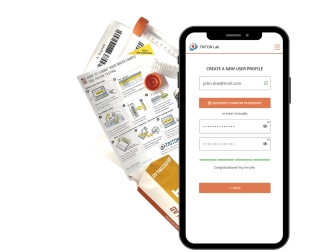
For best results, the use of STN-X is recommended after performing an N-DOC laboratory test and strictly following the recommendations provided by the analysis.
In the absence of N-DOC results, a standard protocol can be applied according to the instructions below.
Standard dosage: 1 ml of STN-X for 100 L of aquarium water per day for 14 days.
The dosage can be gradually increased if necessary, not exceeding a maximum dose of 5 ml per 100 L per day.
In the absence of an N-DOC test, the maximum duration of the treatment should not exceed 1 month.
Discontinue the use of any nitrogen-based nutritional product for the entire duration of the treatment and during the 7 days following the end of the protocol.
Do not use STN-X if nitrite (NO2) levels are above 10 mg/L.
The dosage should always be adjusted according to TRITON N-DOC laboratory recommendations or, if not available, according to the instructions on the bottle.
STN-X is part of a comprehensive approach to nutrient management. Products containing N, C, and P in controlled ratios should be used rigorously.
Isolated inputs of nitrogen or phosphorus can cause significant imbalances if not controlled by analysis.
| Product Type | Slow Tissue Necrosis Inhibitor |
| Main Use | Progressive stabilization of coral tissues |
| Volume | 100 ml |
| Standard Dosage | 1 ml per 100 L per day for 14 days |
| Maximum Dosage | 5 ml per 100 L per day |
| Compatibility | Marine reef aquarium |
| Recommended Method | TRITON N-DOC analytical monitoring |
STN-X should be used as part of a rigorous analytical monitoring. Failure to follow the protocol or a nutrient imbalance may compromise the stability of the reef system.
Utilisé sur à un test NDOC pour traiter une STN sur un corail. La nécrose a été stoppée immédiatement. Je recommande ce produit qui n'a aucun impact sur les habitants du bac. A utiliser avec un test NDOC pour le dosage
STN-X TRITON is a slow tissue necrosis inhibitor designed to stabilize coral tissues and support the biological recovery of the reef aquarium.