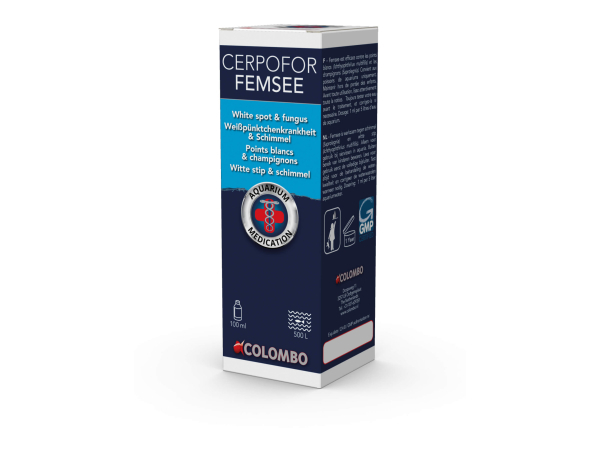
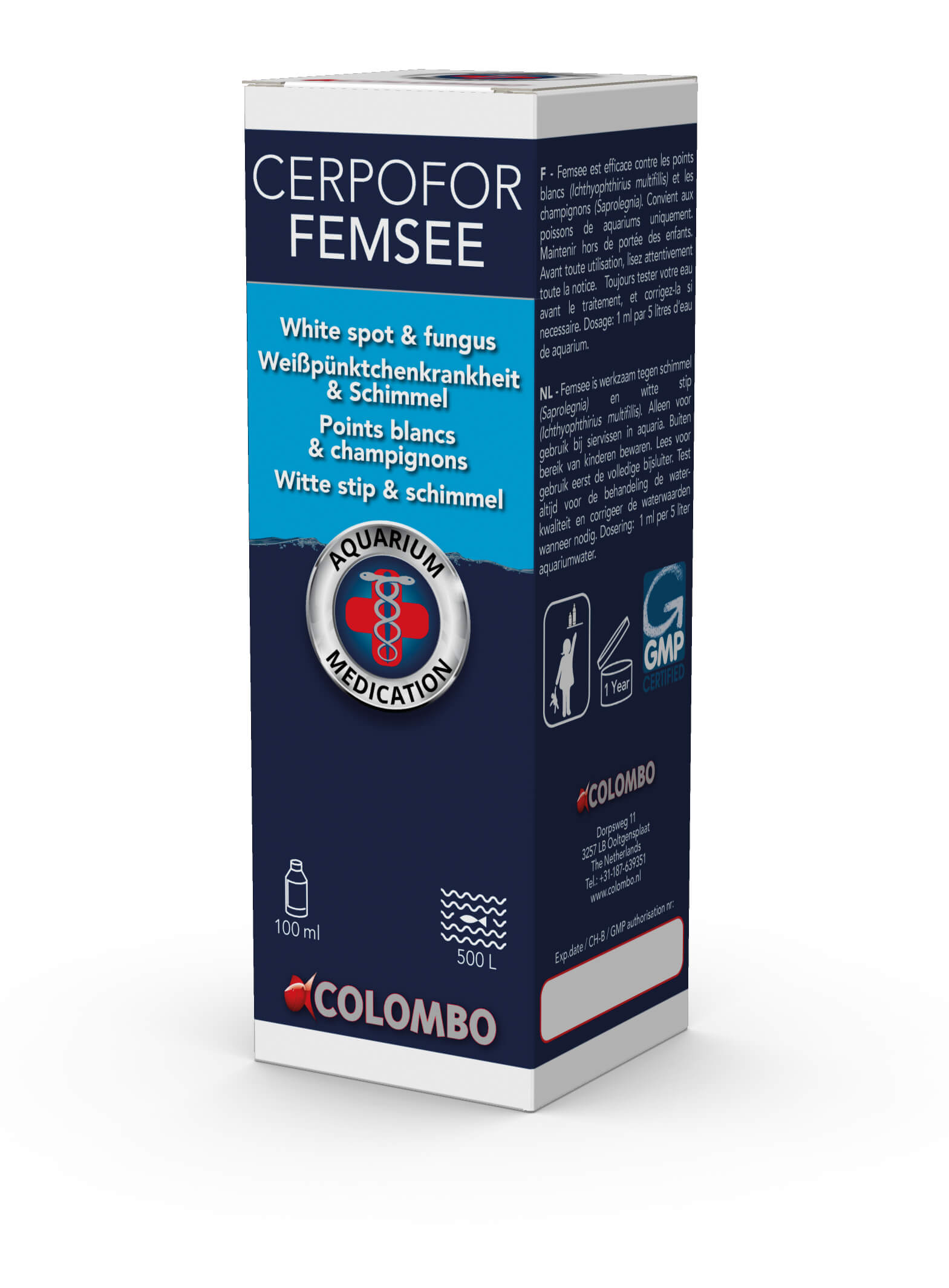
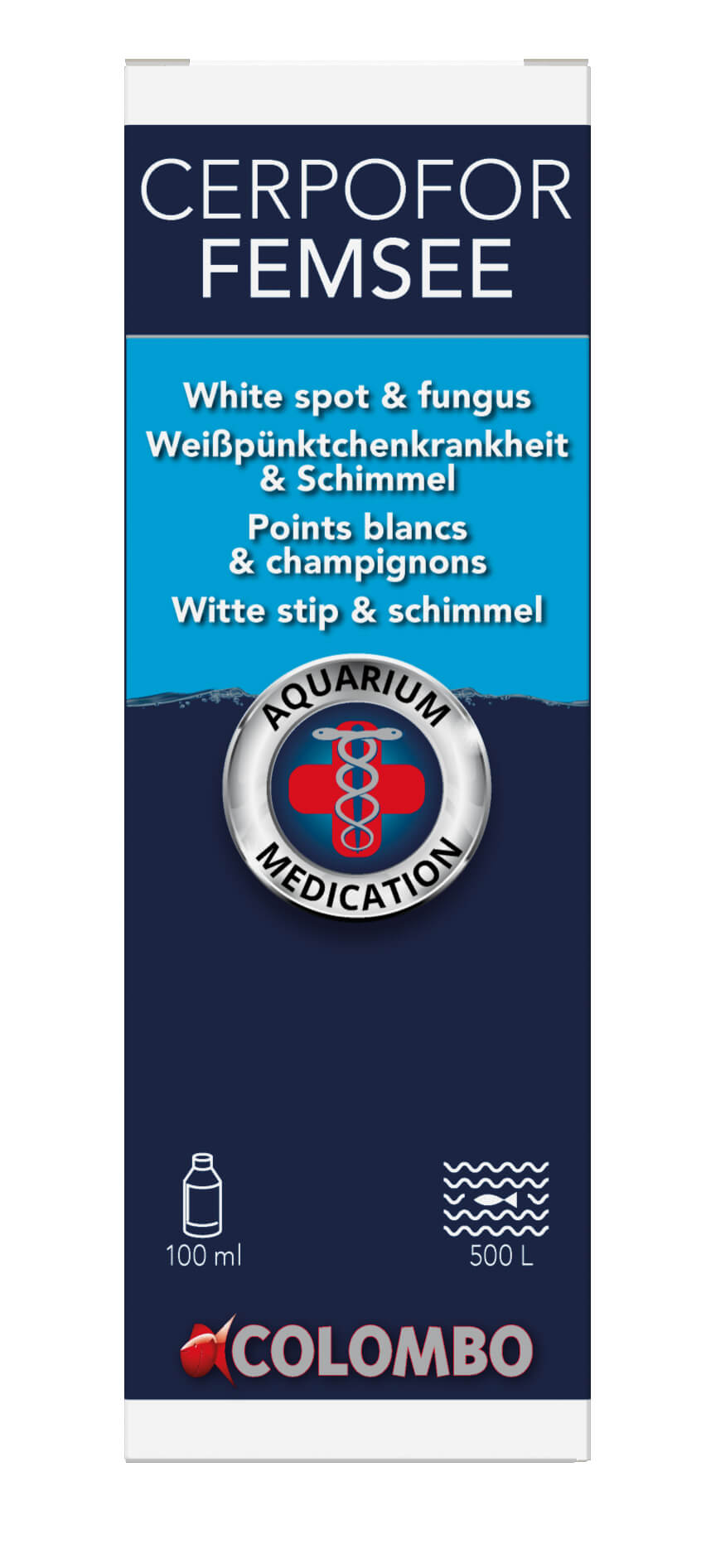



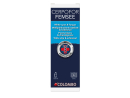
Femsee is an effective treatment against white spot disease and fungal infections in aquarium fish.





| Date Maximum delivery |
|
|---|---|
| Express | Tuesday 29 September |
| Pick-up point |
Tuesday 29 September
Thursday 01 October |
| Home |
Wednesday 30 September
Thursday 01 October |
| See all delivery fees | Cart amount | Delivery fees |
|---|---|---|
| Colis sur pré-commande | 0 à 158,98 € | 7,80 € |
| 158,99 à 248,98 € | Free | |
| 248,99 à 10 000 € | Free | |
| DPD Livraison en relais Pickup | 0 à 68,98 € | 6,90 € |
| 68,99 à 10 000 € | Free | |
| DPD Livraison sur lieu de travail | 0 à 10 000 € | 7,80 € |
| DPD Livraison à domicile Predict sur créneau horaire | 0 à 68,98 € | 7,80 € |
| 68,99 à 158,98 € | 7,80 € | |
| 158,99 à 10 000 € | Free | |
| En Relais GLS | 0 à 68,98 € | 6,90 € |
| 68,99 à 10 000 € | Free | |
| EXPRESS 24H Vivant - Live - Lebenden - Vivo - Levend | 0 à 248,99 € | 24,90 € |
| 248,99 à 100 000 € | Free | |
| GLS À domicile | 0 à 68,98 € | 7,80 € |
| 68,99 à 158,98 € | 7,80 € | |
| 158,99 à 10 000 € | Free | |
| Livraison palette – Pallet Delivery | 0 à 50 kg | 50 € |
| UPS Matériel Domicile EXPRESS 24H | 0 à 15 000 € | 19,90 € |
| Country | Carrier | Cart amount | Delivery fees |
|---|---|---|---|
| Europe zone 1 | Colis sur pré-commande | 0 à 158,98 € | 15,90 € |
| 158,99 à 248,98 € | 15,90 € | ||
| 248,99 à 10 000 € | Free | ||
| DPD Livraison en relais Pickup | 0 à 68,98 € | 6,90 € | |
| 68,99 à 10 000 € | Free | ||
| DPD Livraison internationale | 0 à 248,98 € | 15,90 € | |
| 248,99 à 10 000 € | Free | ||
| DPD Livraison sur lieu de travail | 0 à 10 000 € | 7,80 € | |
| EXPRESS 24H Vivant - Live - Lebenden - Vivo - Levend | 0 à 248,99 € | 29,89 € | |
| 248,99 à 100 000 € | Free | ||
| Livraison palette – Pallet Delivery | 0 à 50 kg | 259 € | |
| France | Colis sur pré-commande | 0 à 158,98 € | 7,80 € |
| 158,99 à 248,98 € | Free | ||
| 248,99 à 10 000 € | Free | ||
| DPD Livraison en relais Pickup | 0 à 68,98 € | 6,90 € | |
| 68,99 à 10 000 € | Free | ||
| DPD Livraison sur lieu de travail | 0 à 10 000 € | 7,80 € | |
| DPD Livraison à domicile Predict sur créneau horaire | 0 à 68,98 € | 7,80 € | |
| 68,99 à 158,98 € | 7,80 € | ||
| 158,99 à 10 000 € | Free | ||
| En Relais GLS | 0 à 68,98 € | 6,90 € | |
| 68,99 à 10 000 € | Free | ||
| EXPRESS 24H Vivant - Live - Lebenden - Vivo - Levend | 0 à 248,99 € | 24,90 € | |
| 248,99 à 100 000 € | Free | ||
| GLS À domicile | 0 à 68,98 € | 7,80 € | |
| 68,99 à 158,98 € | 7,80 € | ||
| 158,99 à 10 000 € | Free | ||
| Livraison palette – Pallet Delivery | 0 à 50 kg | 50 € | |
| UPS Matériel Domicile EXPRESS 24H | 0 à 15 000 € | 19,90 € | |
| Europe zone 2 | Colis sur pré-commande | 0 à 158,98 € | 39,90 € |
| 158,99 à 248,98 € | 39,90 € | ||
| 248,99 à 10 000 € | 39,90 € | ||
| DPD Livraison en relais Pickup | 0 à 68,98 € | 12,90 € | |
| 68,99 à 10 000 € | 12,90 € | ||
| DPD Livraison internationale | 0 à 248,98 € | 39,90 € | |
| 248,99 à 10 000 € | 39,90 € | ||
| EXPRESS 24H Vivant - Live - Lebenden - Vivo - Levend | 0 à 248,99 € | 39,90 € | |
| 248,99 à 100 000 € | 39,90 € | ||
| Livraison palette – Pallet Delivery | 0 à 50 kg | 359 € | |
| Suisse | Colis sur pré-commande | 0 à 158,98 € | 39,90 € |
| 158,99 à 248,98 € | 39,90 € | ||
| 248,99 à 10 000 € | 39,90 € | ||
| DPD Livraison en relais Pickup | 0 à 68,98 € | 26,90 € | |
| 68,99 à 10 000 € | 26,90 € | ||
| DPD Livraison internationale | 0 à 248,98 € | 39,90 € | |
| 248,99 à 10 000 € | 39,90 € | ||
| Livraison palette – Pallet Delivery | 0 à 50 kg | 389 € | |
| Suisse - EXPRESS 24H Vivant - Live - Lebenden - Vivo – Levend | 0 à 100 000 € | 44,90 € |


Femsee is an effective treatment against white spot disease and fungal infections in aquarium fish. White spot disease is recognized by the presence of small white spots spread over the head and body. Fungi appear as cotton-like tufts, ranging in color from white to greenish.
To determine the precise volume of the aquarium in liters, use the following formula:
Length x width x average depth in decimeters.
Then deduct the volume occupied by the plants, stones, sand, fossil wood, etc. Generally, this deduction is about 10%, but can reach 30% in very densely stocked aquariums.
Recommended dosage:
1 ml per 5 liters of aquarium water
100 ml can treat up to 500 liters
Use the provided doser to measure the required amount. Dilute the dose in 1 liter of aquarium water before distributing it in the tank. Activate the air pump to ensure good oxygenation.
If the first treatment is insufficient, it is possible to repeat the treatment with a half dose on the second day, and then on the third day if necessary.
Do not filter with carbon or zeolite. UV lamps and other equipment must be turned off for 48 hours after administering the treatment. No water changes should be conducted during treatment. The filter can remain operational.
Femsee may cause temporary water discoloration. One week after the last treatment, weekly water changes of 10 to 20% will help clear the water. The use of activated carbon can accelerate this process.
This treatment is generally considered non-harmful to invertebrates such as shrimp, snails, freshwater crayfish, and frogs. However, due to their sensitivity, this compatibility cannot be guaranteed.
Cerpofor Femsee is intended exclusively for freshwater aquarium fish. Keep the product out of reach of children, between 4 and 32°C. Avoid any contact with skin and eyes. In case of ingestion, immediately consult a doctor with the packaging or label. The product may cause permanent stains on clothing and surfaces.
Fungal infections manifest as fluffy growths on the skin or gills, often caused by fungi of the Saprolegnia genus. Without treatment, these infections can penetrate tissues and become fatal.
White spot disease is caused by the parasite Ichthyophthirius multifiliis. It frequently appears in weakened fish, after transport, overpopulation, or introduction of new individuals. Affected fish may rub against decorations, swim erratically, and exhibit breathing difficulties.
Femsee is an effective treatment against white spot disease and fungal infections in aquarium fish.