- Out-of-Stock
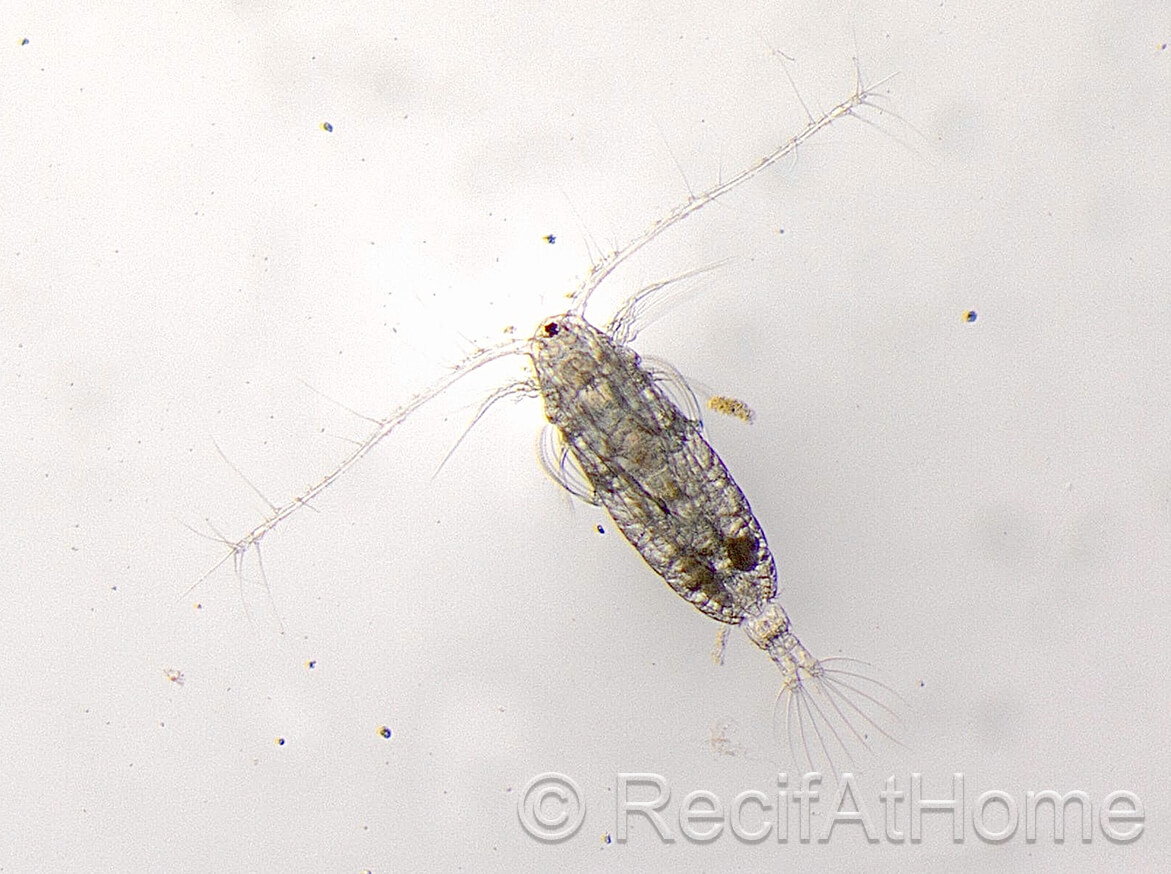
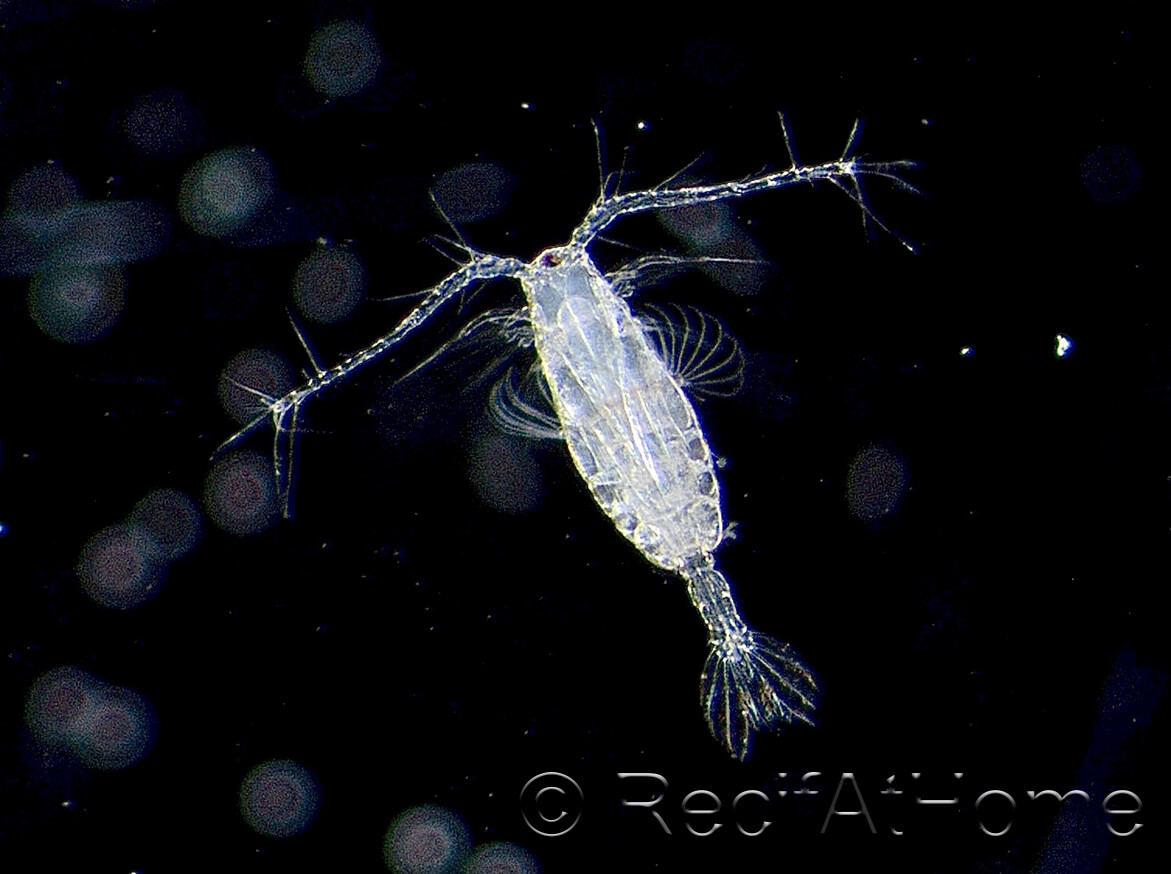



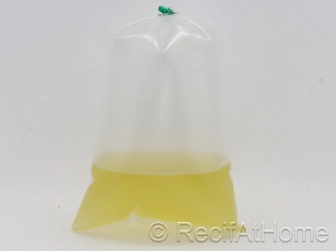
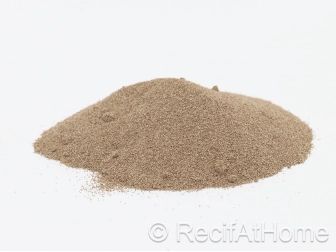
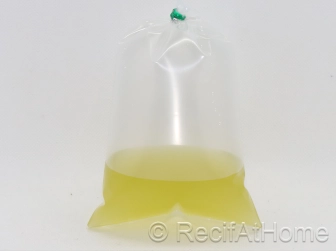
Acartia tonsa eggs packaged in a 125 mL bottle for approximately 2.5 million eggs, intended for the rearing of marine larvae through controlled hatching and a live prey adapted to the early stages.





| Date Maximum delivery |
|
|---|---|
| Express | Monday 21 September |
| Pick-up point |
Monday 21 September
Wednesday 23 September |
| Home |
Tuesday 22 September
Wednesday 23 September |
| See all delivery fees | Cart amount | Delivery fees |
|---|---|---|
| EXPRESS 24H Vivant - Live - Lebenden - Vivo - Levend | 0 à 248,99 € | 24,90 € |
| 248,99 à 100 000 € | Free |
| Country | Carrier | Cart amount | Delivery fees |
|---|---|---|---|
| Suisse | Suisse - EXPRESS 24H Vivant - Live - Lebenden - Vivo – Levend | 0 à 100 000 € | 44,90 € |
| Europe zone 1 | EXPRESS 24H Vivant - Live - Lebenden - Vivo - Levend | 0 à 248,99 € | 29,89 € |
| 248,99 à 100 000 € | Free | ||
| Europe zone 2 | EXPRESS 24H Vivant - Live - Lebenden - Vivo - Levend | 0 à 248,99 € | 39,90 € |
| 248,99 à 100 000 € | 39,90 € | ||
| France | EXPRESS 24H Vivant - Live - Lebenden - Vivo - Levend | 0 à 248,99 € | 24,90 € |
| 248,99 à 100 000 € | Free |
You might also like

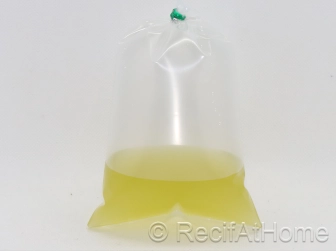
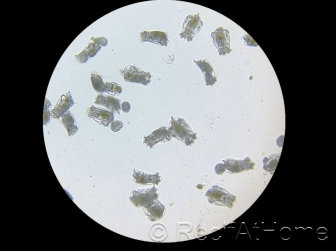
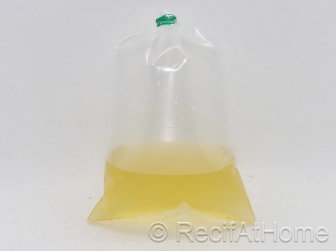
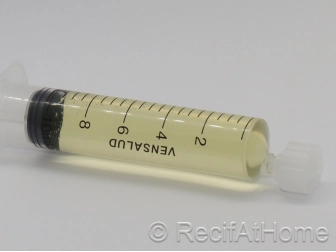
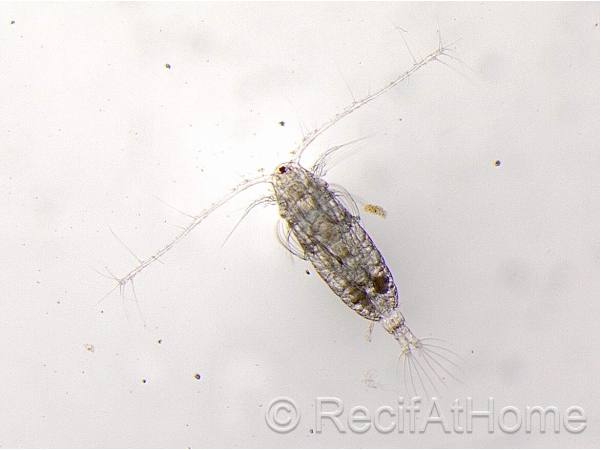
Acartia tonsa is a species of copepod used in aquaculture for its nutritional qualities and resilience. Offered here in the form of ready-to-hatch eggs, this living resource is intended for feeding the early larval stages of marine fish and shrimp.
The nauplii of Acartia tonsa, about 80 micrometers in size, are a suitable live prey for the early phases of larval development. This size allows for easier ingestion from the first days.
Acartia tonsa is described as resistant to temperature and salinity variations, which facilitates its use in farming systems with varied conditions.
Rinse the eggs on a mesh between 33 and 50 micrometers with filtered seawater.
Inoculate with a maximum density of 200 eggs per ml while ensuring strong aeration to avoid dead zones.
The conditions indicated as optimal are a temperature between 23 and 25 °C and a salinity between 25 and 35 g per L.
Add live microalgae to promote hatching.
Store the eggs between 2 and 3 °C. Do not freeze.
Indicative hatching rates are mentioned as a reference according to the storage duration.
After 1 month, the hatching rate is indicated as higher than 85%.
After 2 months, the hatching rate is indicated as higher than 75%.
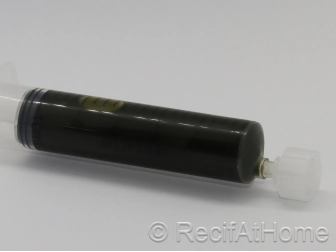
The packaging is provided as a sale per unit of 100,000 eggs in the form of a syringe, without additives, pesticides, or residues.
From 1 to 4 syringes sent with fish, corals or invertebrates are included in the non-refrigerated live package and must be consumed quickly.
From 5 syringes or if they are ordered alone, the shipment is made in a dedicated cold package to allow for long-term preservation.
Acartia tonsa is presented as a reference for intensive breeding and marine reproduction. Its nutritional value, ease of hatching, and adaptability make it a solution intended for aquaculturists and aquarists seeking a living resource suitable for early larval stages.
Acartia tonsa eggs packaged in a 125 mL bottle for approximately 2.5 million eggs, intended for the rearing of marine larvae through controlled hatching and a live prey adapted to the early stages.