- New
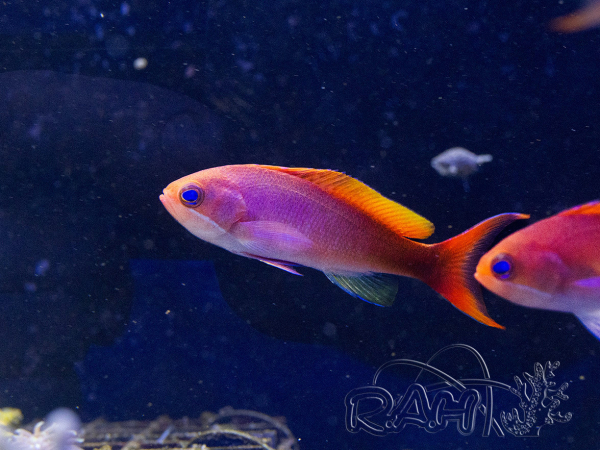
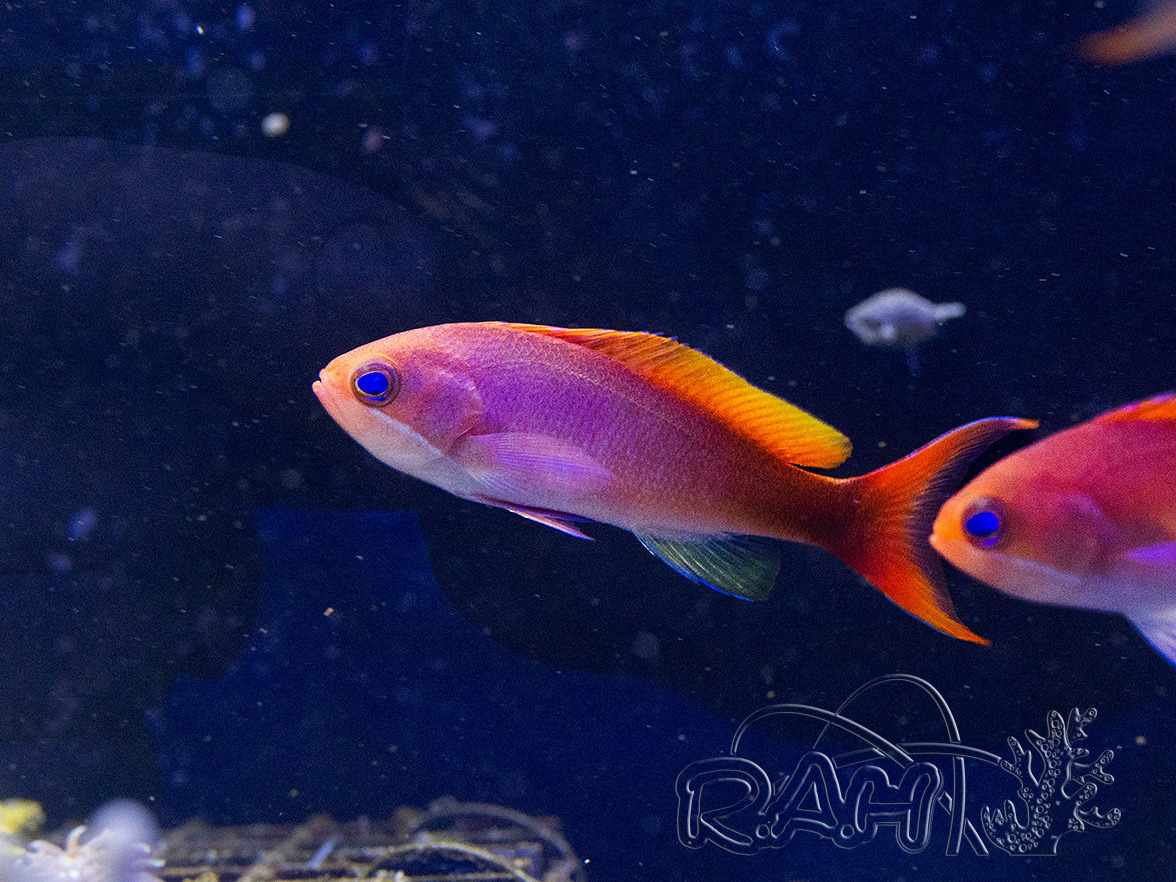
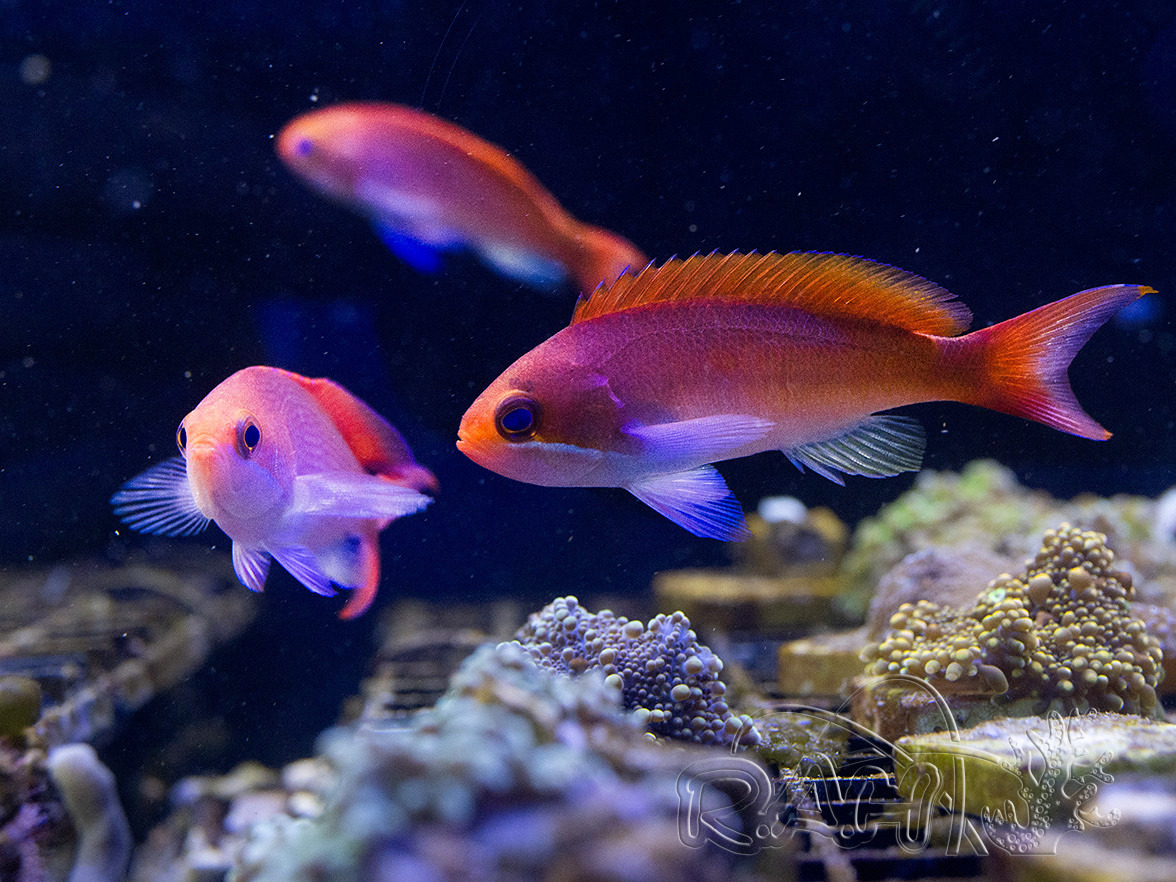
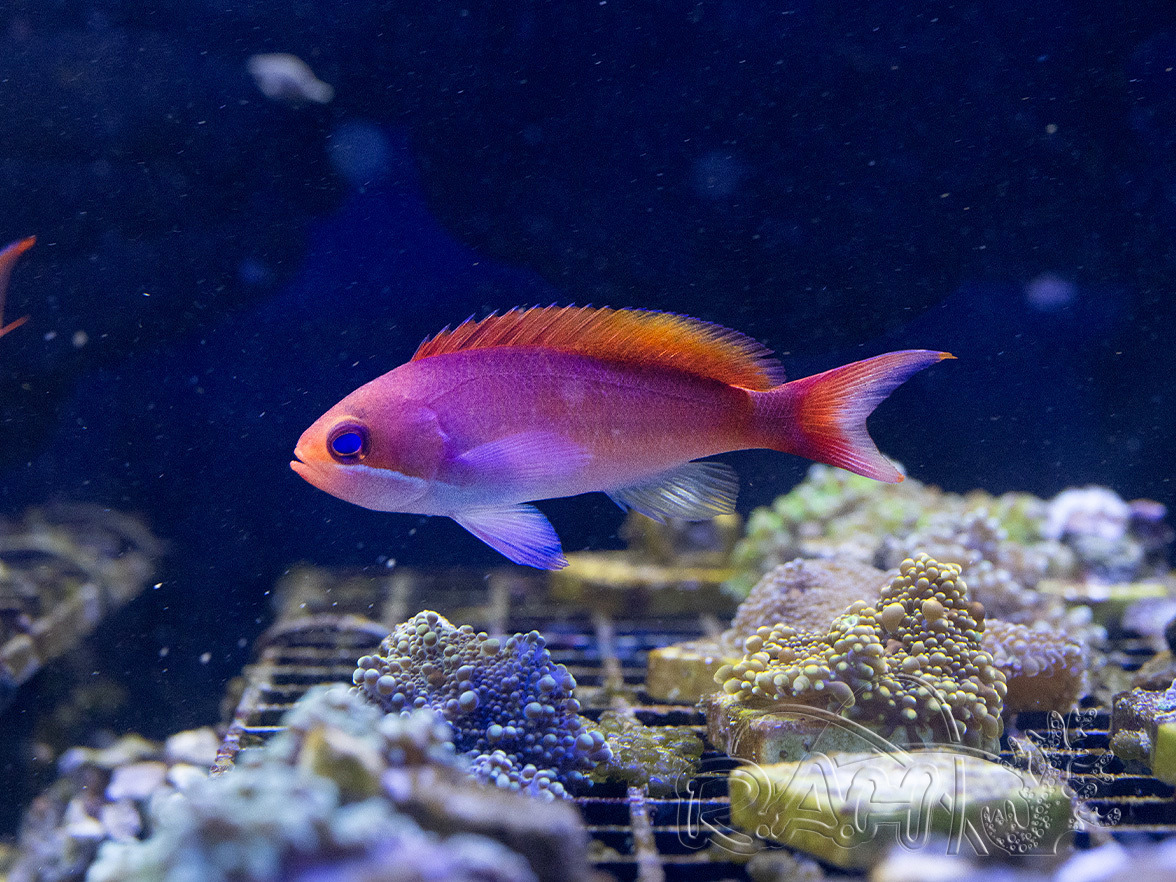



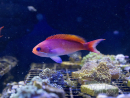
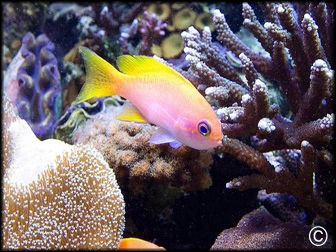
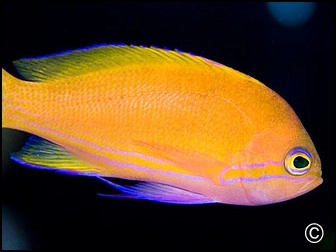
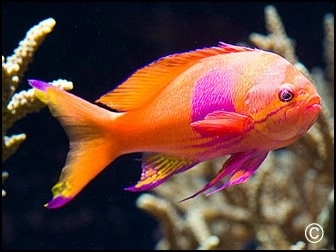
Pseudanthias cooperi, also called Cooper's anthias or red-bar anthias, is a superb marine fish appreciated for its intense colors and active open-water behavior.





| See all delivery fees | Cart amount | Delivery fees |
|---|---|---|
| EXPRESS 24H Vivant - Live - Lebenden - Vivo - Levend | 0 à 248,99 € | 24,90 € |
| 248,99 à 100 000 € | Free |
| Country | Carrier | Cart amount | Delivery fees |
|---|---|---|---|
| Suisse | Suisse - EXPRESS 24H Vivant - Live - Lebenden - Vivo – Levend | 0 à 100 000 € | 44,90 € |
| Europe zone 1 | EXPRESS 24H Vivant - Live - Lebenden - Vivo - Levend | 0 à 248,99 € | 29,89 € |
| 248,99 à 100 000 € | Free | ||
| Europe zone 2 | EXPRESS 24H Vivant - Live - Lebenden - Vivo - Levend | 0 à 248,99 € | 39,90 € |
| 248,99 à 100 000 € | 39,90 € | ||
| France | EXPRESS 24H Vivant - Live - Lebenden - Vivo - Levend | 0 à 248,99 € | 24,90 € |
| 248,99 à 100 000 € | Free |
You might also like





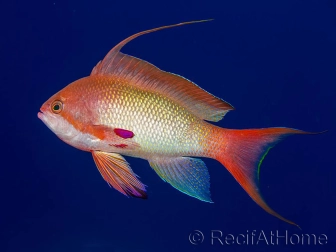
Pseudanthias cooperi, also known as Cooper’s anthias or red-bar anthias, is a superb marine fish appreciated for its intense colors and active open-water behavior. This species immediately brings movement and color to a suitably sized reef aquarium.
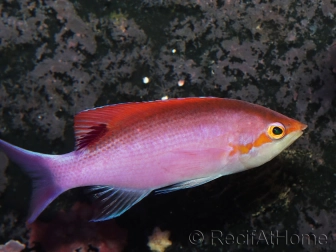
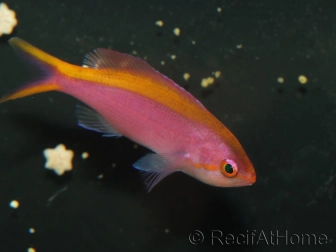
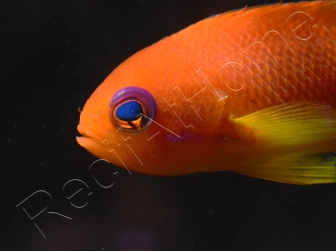
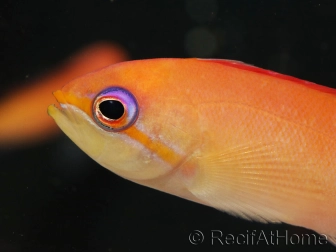
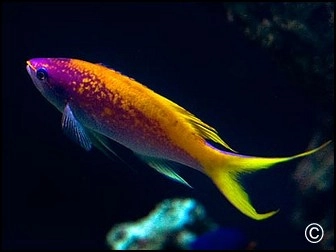
Males generally display a particularly vivid pink to deep red coloration, accompanied by a characteristic red bar located in the middle of the flank. Their caudal fin is also strongly colored and may show fine extensions in adult individuals. Females, on the other hand, have a more orange to pinkish coloration, with a lighter underside and red tips on the caudal fin.
This difference in coloration between males and females makes keeping a small group of Pseudanthias cooperi especially interesting. In adulthood, this species can reach about 12 to 14 cm.
Pseudanthias cooperi has a very wide distribution across the Indo-Pacific. It is found from the coasts of East Africa to the Pacific islands, as well as in various regions ranging from southern Japan to the Great Barrier Reef.
In its natural environment, it mainly inhabits reefs, drop-offs, and coral formations exposed to currents. It generally moves in small, relatively spaced-out groups above the reef, where it catches planktonic organisms carried by the water.
This natural behavior explains its need for an aquarium offering both ample swimming space, effective water movement, and several rocky shelters where the fish can retreat when threatened.
Like many anthias, Pseudanthias cooperi has a hierarchical social structure. It is possible to keep a single individual, but its natural behavior is especially interesting when kept in a small group.
For group keeping, it is best to form a group consisting of one male accompanied by several females. A setup of one male for three to five females generally makes it possible to achieve a more natural hierarchy while spreading interactions among the different individuals.
It is not recommended to introduce several adult males into an aquarium that is too small, as territorial behavior and fights may occur.
Pseudanthias cooperi is a protogynous hermaphroditic fish. Functional individuals begin their social life as females, and some may later develop into males depending on the group structure.
When the dominant male disappears, the dominant female may gradually transform and take its place. Its coloration and morphology then evolve to adopt the characteristics of the male.
This natural phenomenon adds to the interest of keeping a group of anthias and makes it possible to observe a particularly elaborate social hierarchy.
Due to its adult size and high activity in open water, Pseudanthias cooperi should be provided with a sufficiently spacious aquarium.
For one individual, an aquarium of around 300 to 350 liters with a good swimming length is a suitable starting point. To keep a group made up of one male and several females, a volume of at least 450 to 500 liters is preferable.
Beyond the raw volume, the length of the aquarium and the available open-water space are particularly important. The aquascape can be made up of live rock or rock structures creating caves, overhangs, and shaded areas, while keeping much of the aquarium open for swimming.
Adult size: about 12 to 14 cm.
Recommended minimum volume: about 300 to 350 liters for one individual and at least 450 to 500 liters for a small group.
Temperature: about 22 to 27 °C.
pH: about 8.1 to 8.4.
Specific gravity: about 1.023 to 1.025.
Water movement: moderate to strong, with areas where the fish can position themselves facing the current.
Behavior: peaceful with most reef fish, but a hierarchy may develop among anthias.
Care level: intermediate, mainly because of its frequent feeding needs.
Pseudanthias cooperi appreciates well-oxygenated water with proper circulation. In nature, groups are regularly found in areas exposed to currents, where moving water continuously brings zooplankton.
Moderate to strong water movement therefore better reproduces its natural environment. However, calmer areas should be provided behind the aquascape so the fish can rest.
Effective filtration and a properly sized protein skimmer are particularly useful with anthias, as the many necessary feedings can increase the amount of organic matter in the aquarium.
It is not necessary to aim for water completely free of nitrates and phosphates. Stable water that is properly balanced and without excessive nutrient buildup is preferable.
Pseudanthias cooperi is mainly planktivorous and carnivorous. In its natural environment, it positions itself in the current to catch small prey carried in the water column.
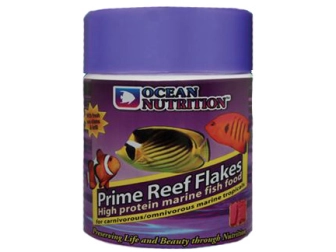
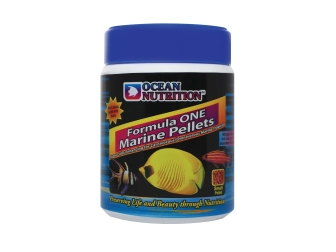
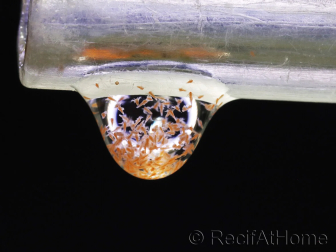
In an aquarium, its diet can consist of mysis, enriched brine shrimp, copepods, zooplankton, and various small frozen foods. After acclimation, many individuals may also accept pellets and other dry foods suitable for carnivorous marine fish.
The key point is feeding frequency. Anthias have an active metabolism and are naturally accustomed to catching small amounts of food throughout the day.
It is therefore advisable to offer two to four small meals per day rather than one large feeding. An automatic feeder can be useful to supplement hand feedings when the fish readily accept pellets.
Upon arrival in the aquarium, Pseudanthias cooperi may remain relatively discreet and take refuge in the aquascape. During the first few days, it is best to offer several small foods to quickly stimulate its feeding behavior.
Enriched brine shrimp, small mysis, and planktonic foods are generally well suited to this acclimation phase. Food can be distributed in the current so that it remains suspended in the water column long enough.
Once properly acclimated, Cooper’s anthias generally becomes much more active and spends much of the day swimming in open water.
Pseudanthias cooperi is generally peaceful toward other marine fish. It is well suited to a community reef aquarium populated with species of compatible temperament.
It is best to avoid very aggressive fish that may keep anthias hidden or prevent them from feeding properly. New individuals may also be intimidated by particularly fast and dominant fish during feeding.
Within a group, some chasing may be observed as the hierarchy is established. This is generally normal as long as each fish has space, shelters, and sufficient access to food.
Cooper’s anthias is perfectly suited to reef aquarium keeping. It does not normally eat corals and can be kept with soft corals, LPS, and SPS corals.
It also coexists with most reef invertebrates. Its activity is mainly concentrated in the water column, where it searches for small food particles carried by the current.
Its particularly intense colors stand out beautifully above a reef aquascape and add movement to open-water areas that are sometimes little used by other fish.
Pseudanthias cooperi is an excellent choice for a sufficiently spacious reef aquarium. Its red, pink, and orange coloration, combined with the dimorphism between males and females, makes it possible to create a particularly attractive group.
Its schooling behavior, constant open-water swimming, and natural hierarchy also provide observations very different from those of territorial fish that mainly live within the aquascape.
Its care mainly requires respecting three elements: ample swimming space, an appropriate group composition, and several small feedings each day.
Colorful, dynamic, and coral-safe, Pseudanthias cooperi is a particularly interesting species for aquarists wishing to introduce a group of active open-water fish.
Kept in a spacious reef aquarium with one male accompanied by several females, good water movement, rocky shelters, and regularly distributed food, Cooper’s anthias can fully express its natural behavior and become one of the aquarium’s main attractions.
Pseudanthias cooperi, also called Cooper's anthias or red-bar anthias, is a superb marine fish appreciated for its intense colors and active open-water behavior.